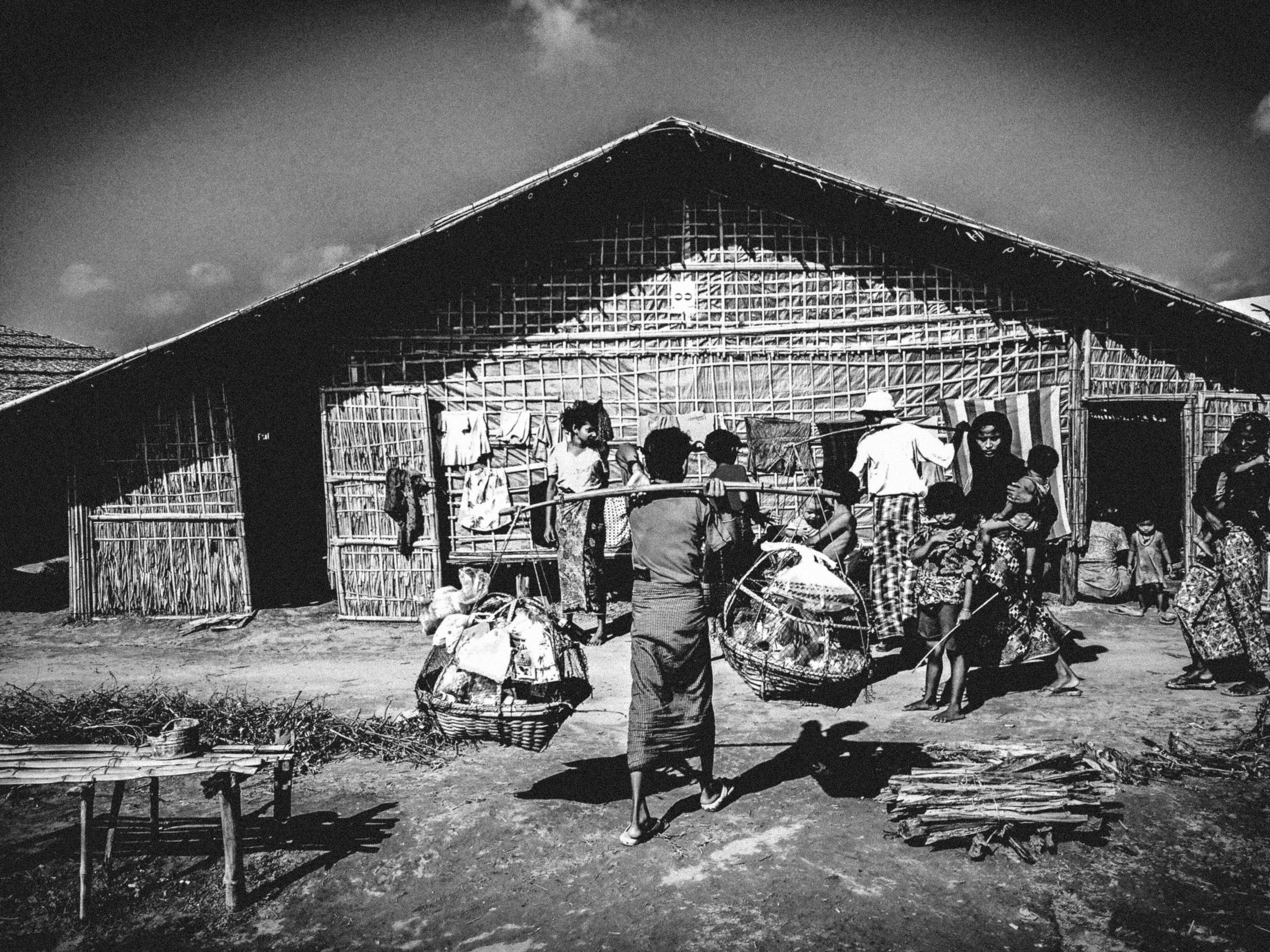
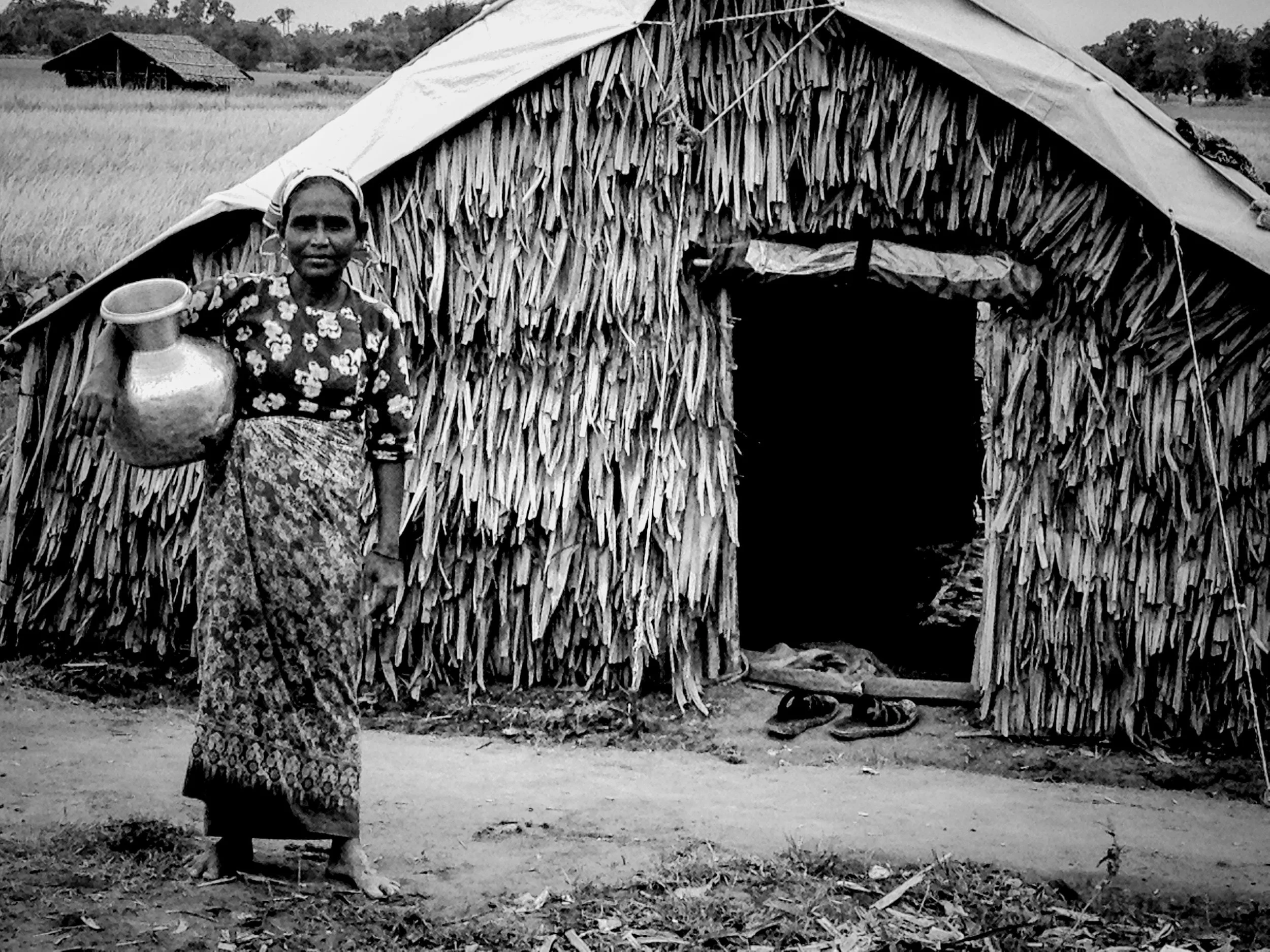
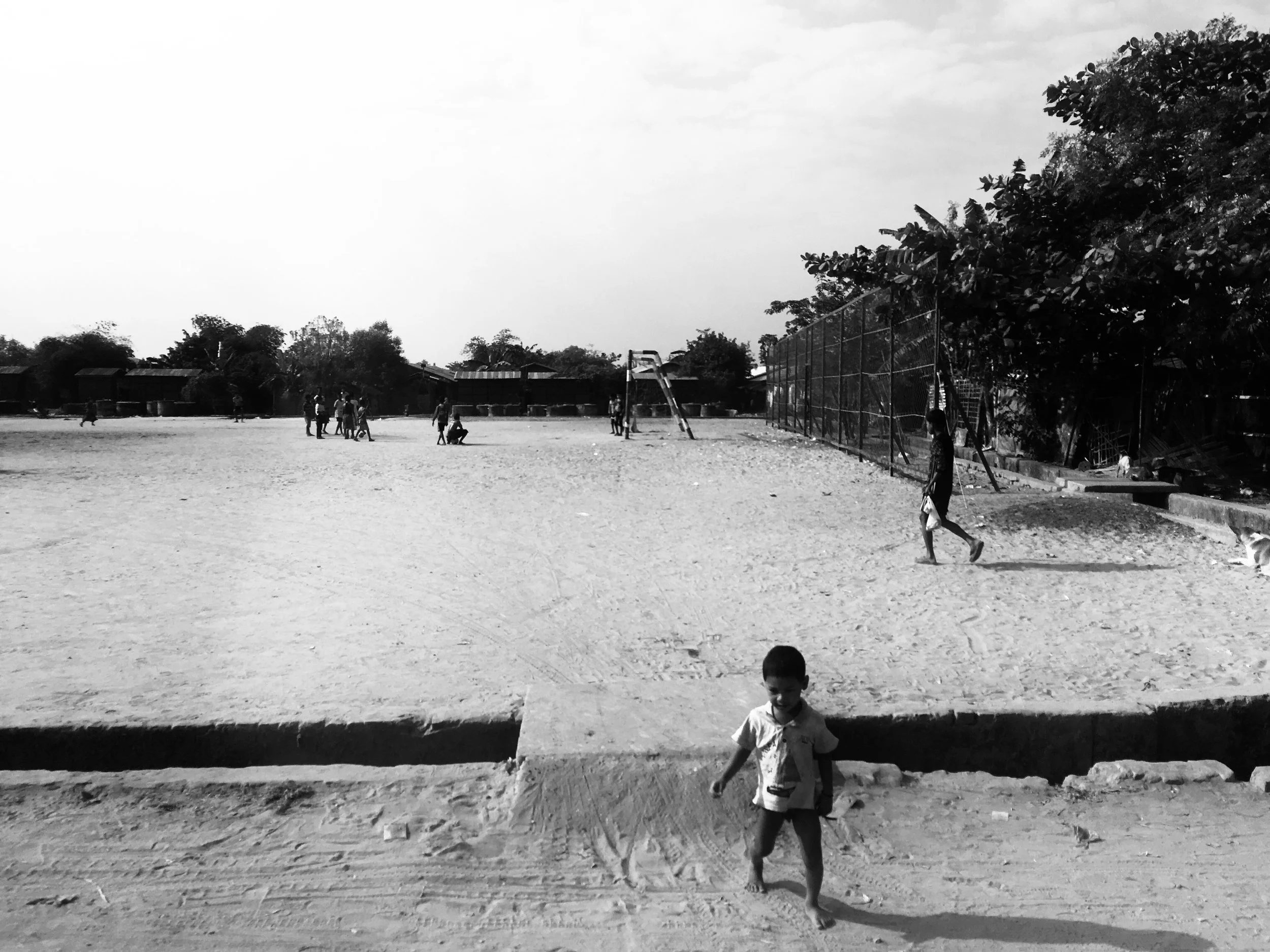
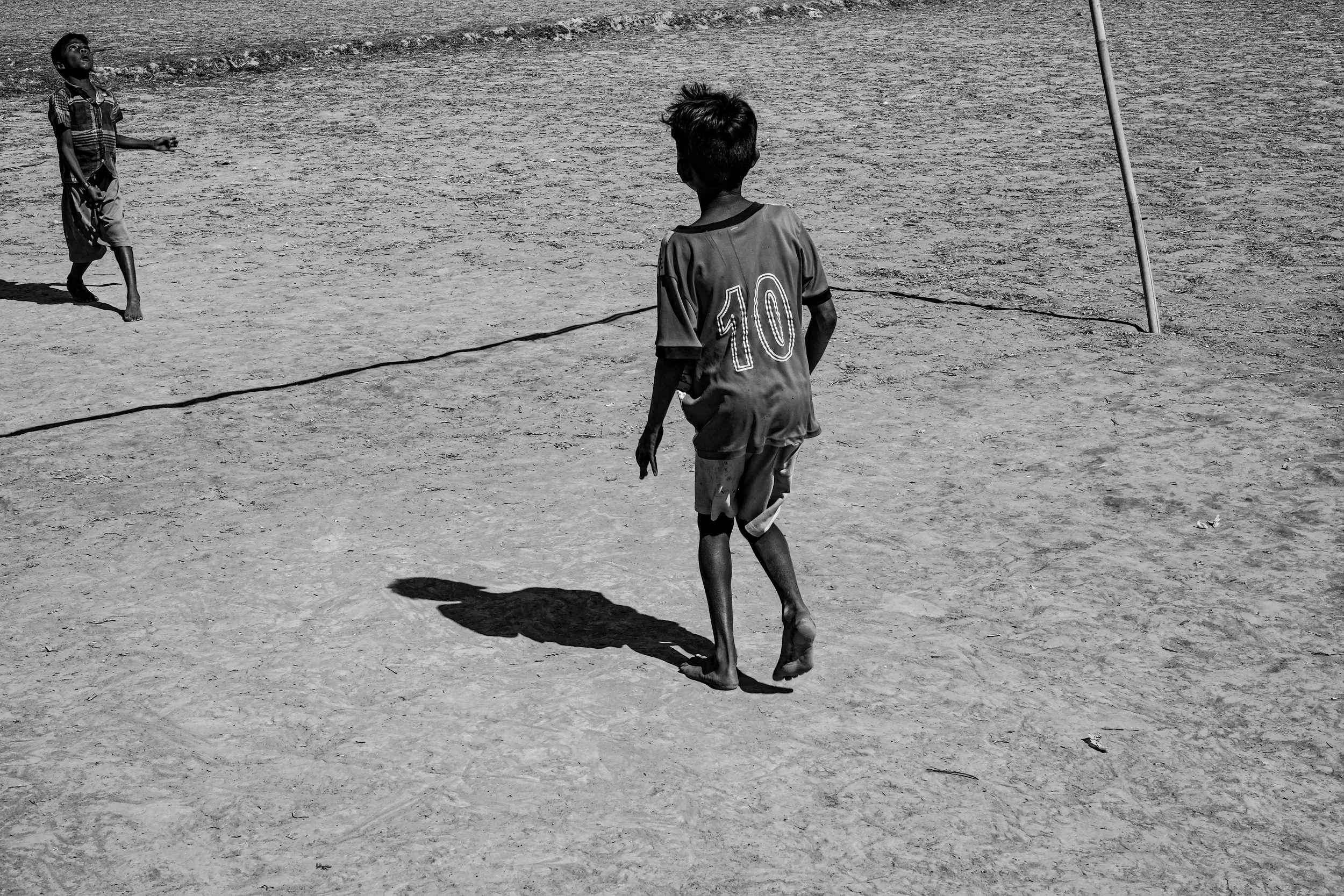
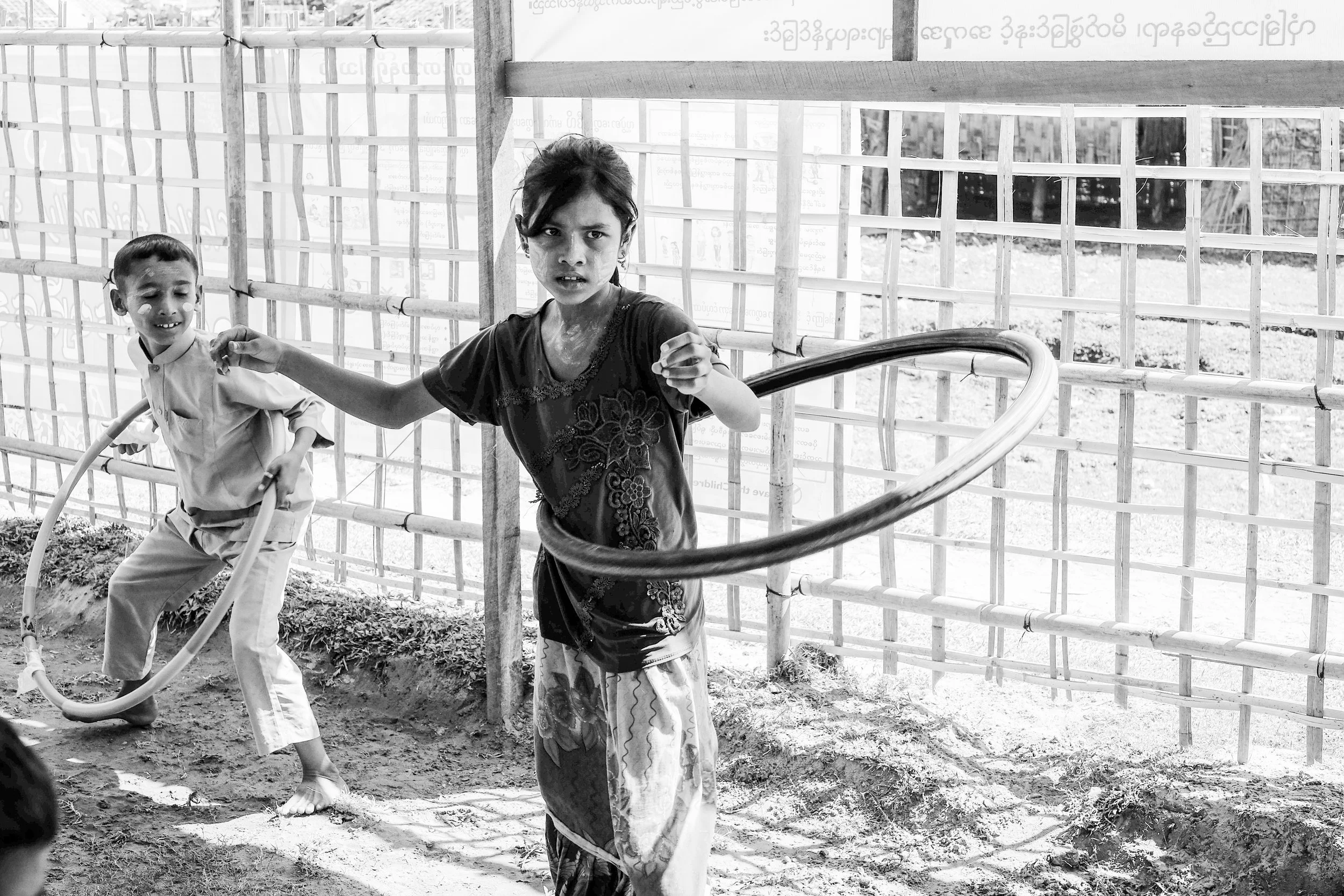
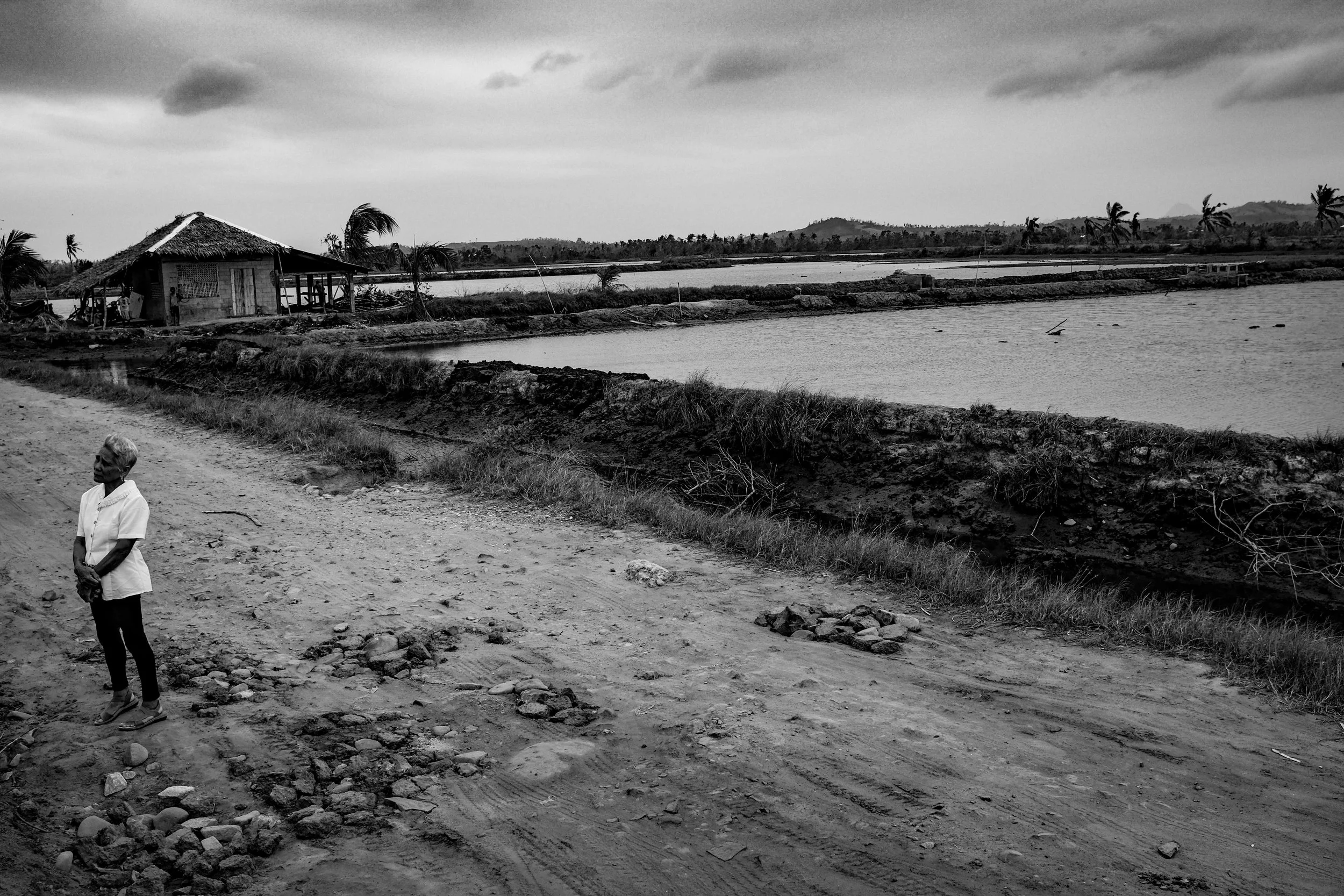
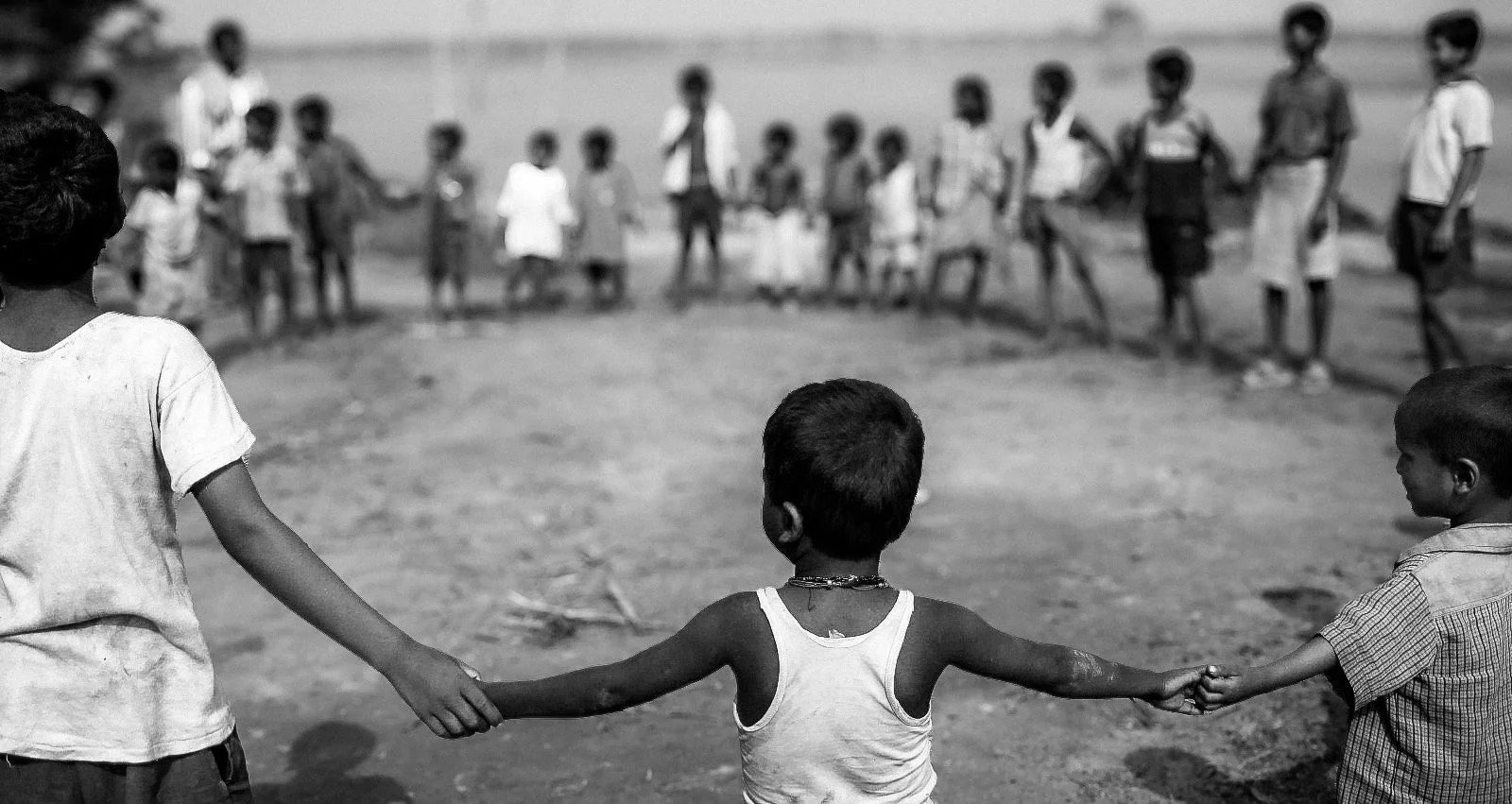
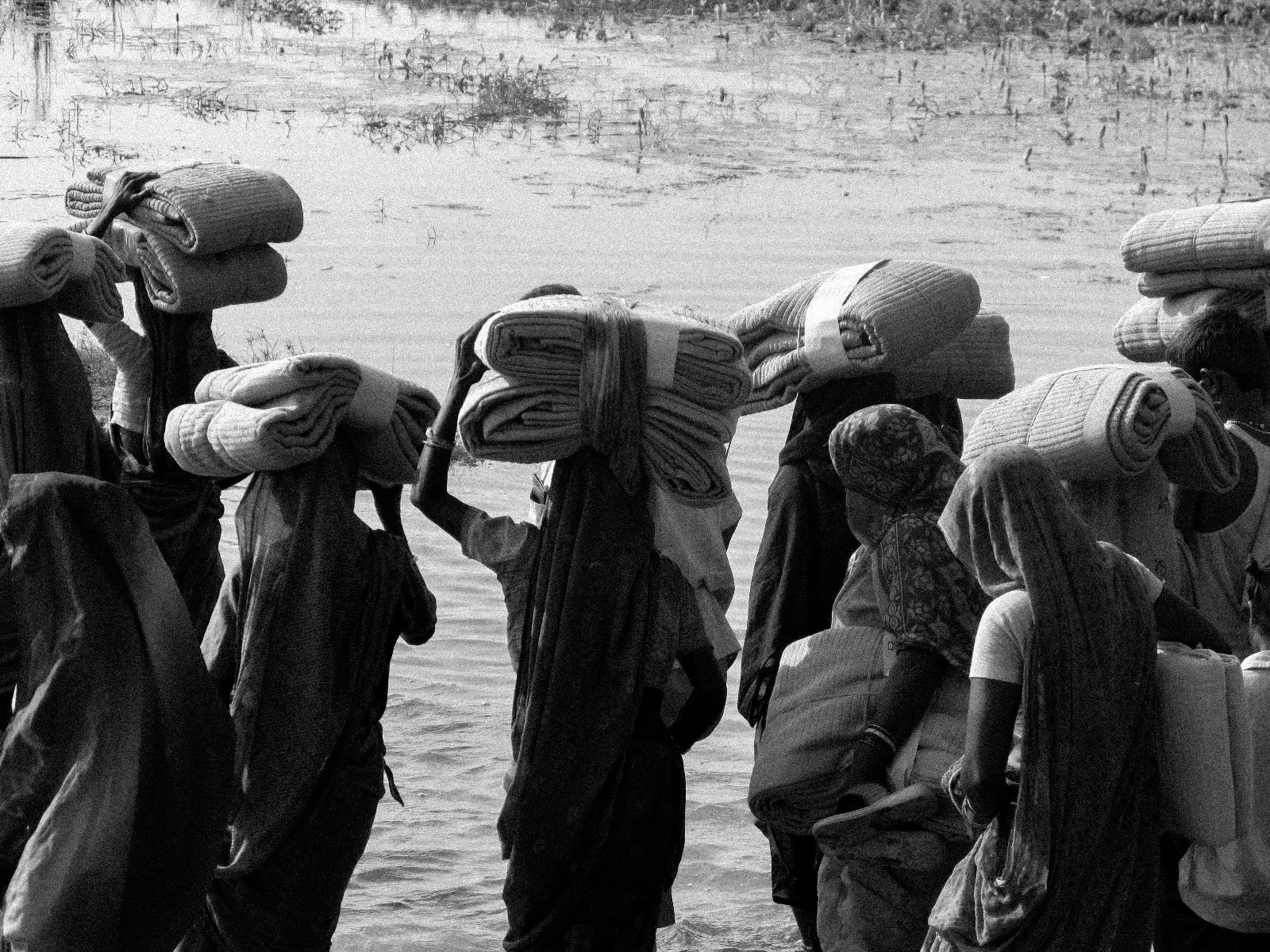
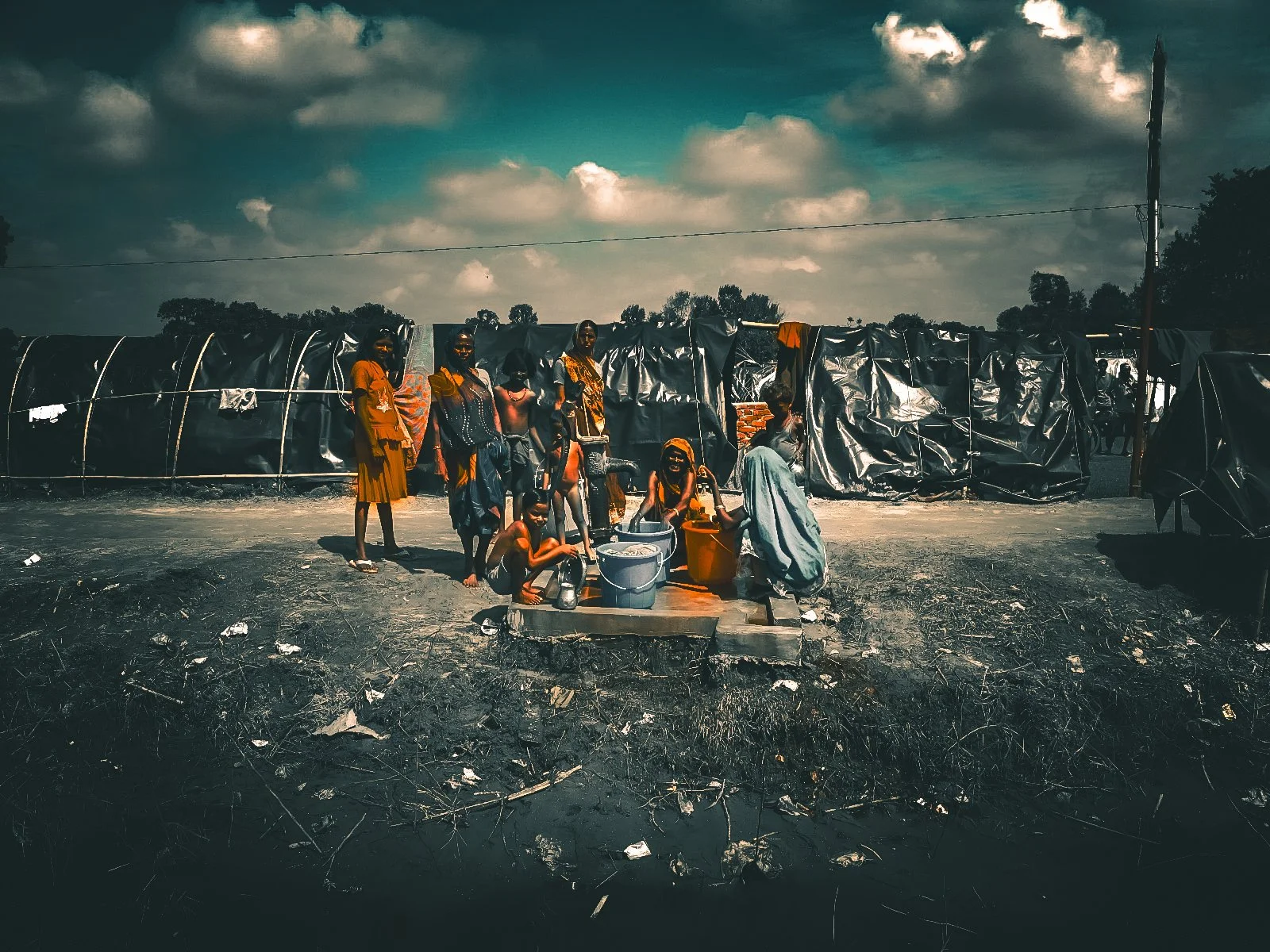
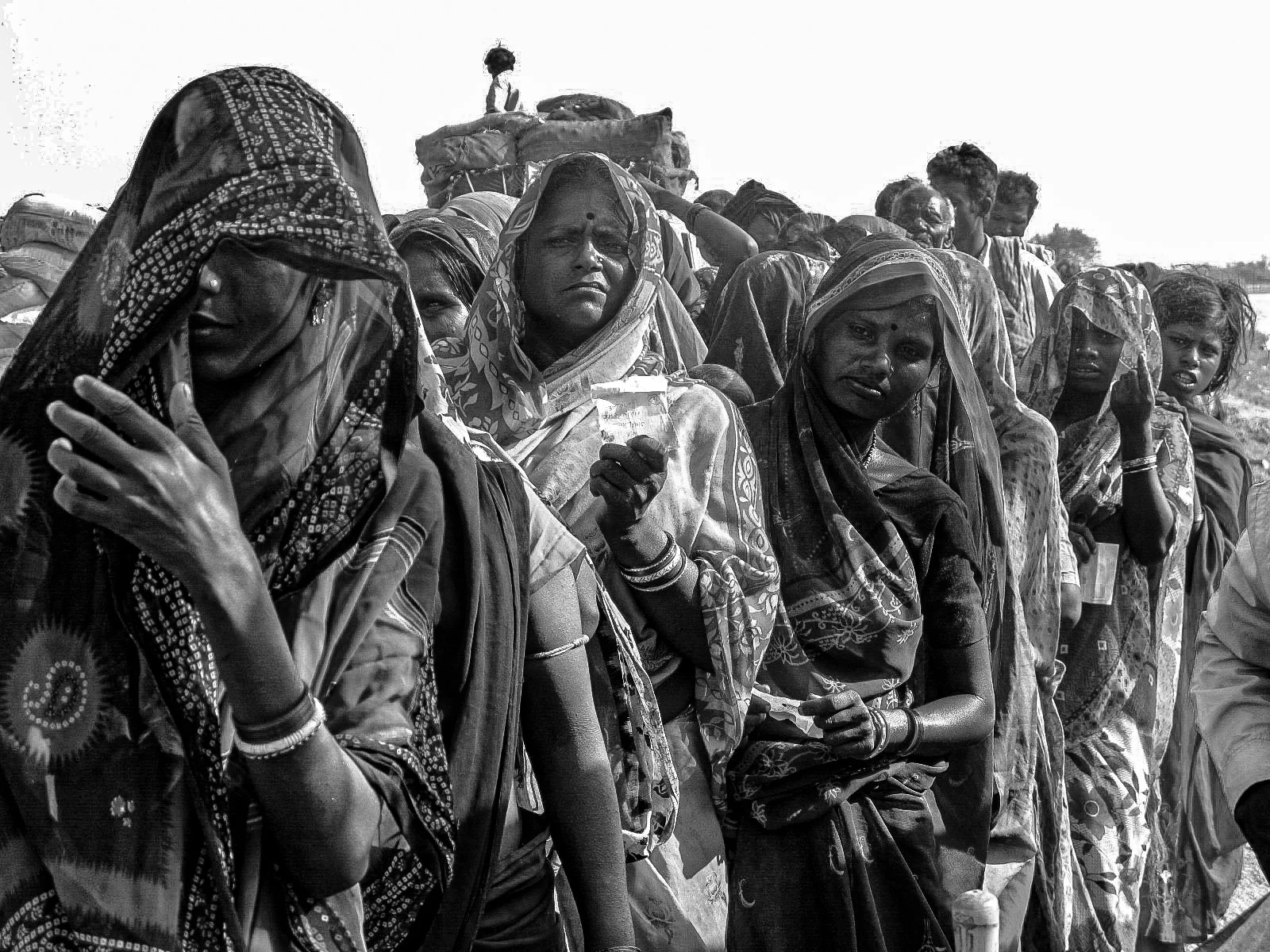
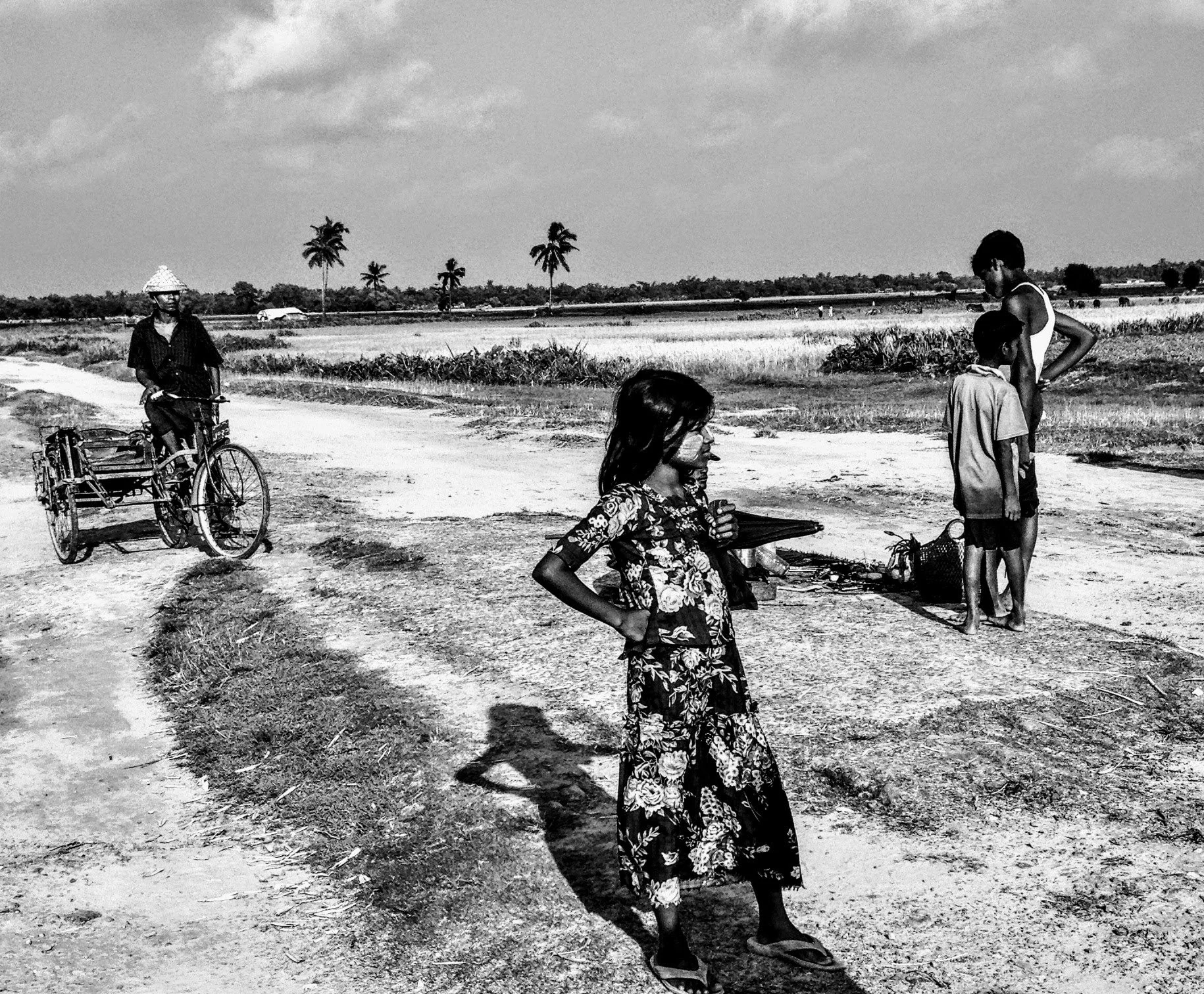
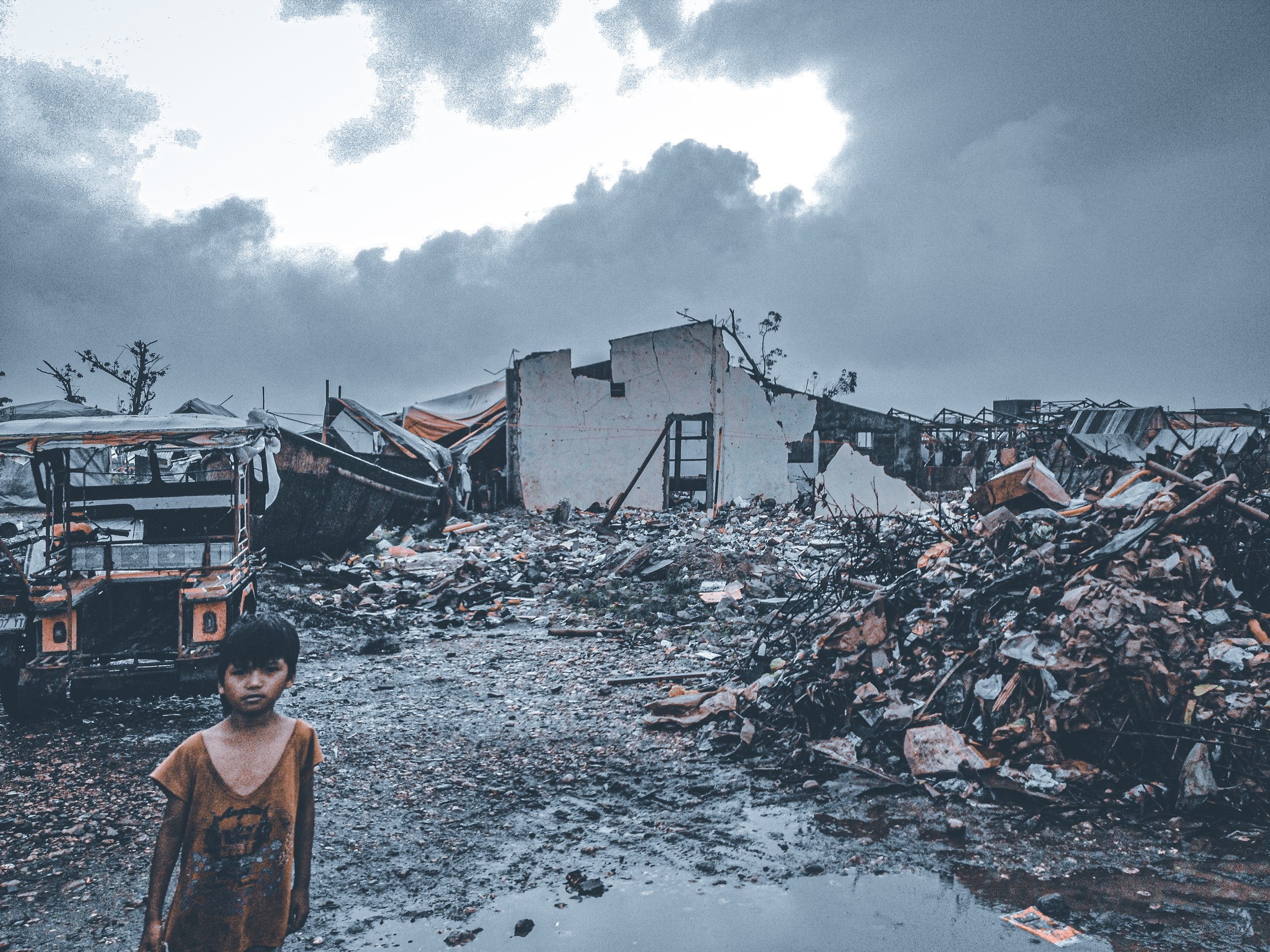
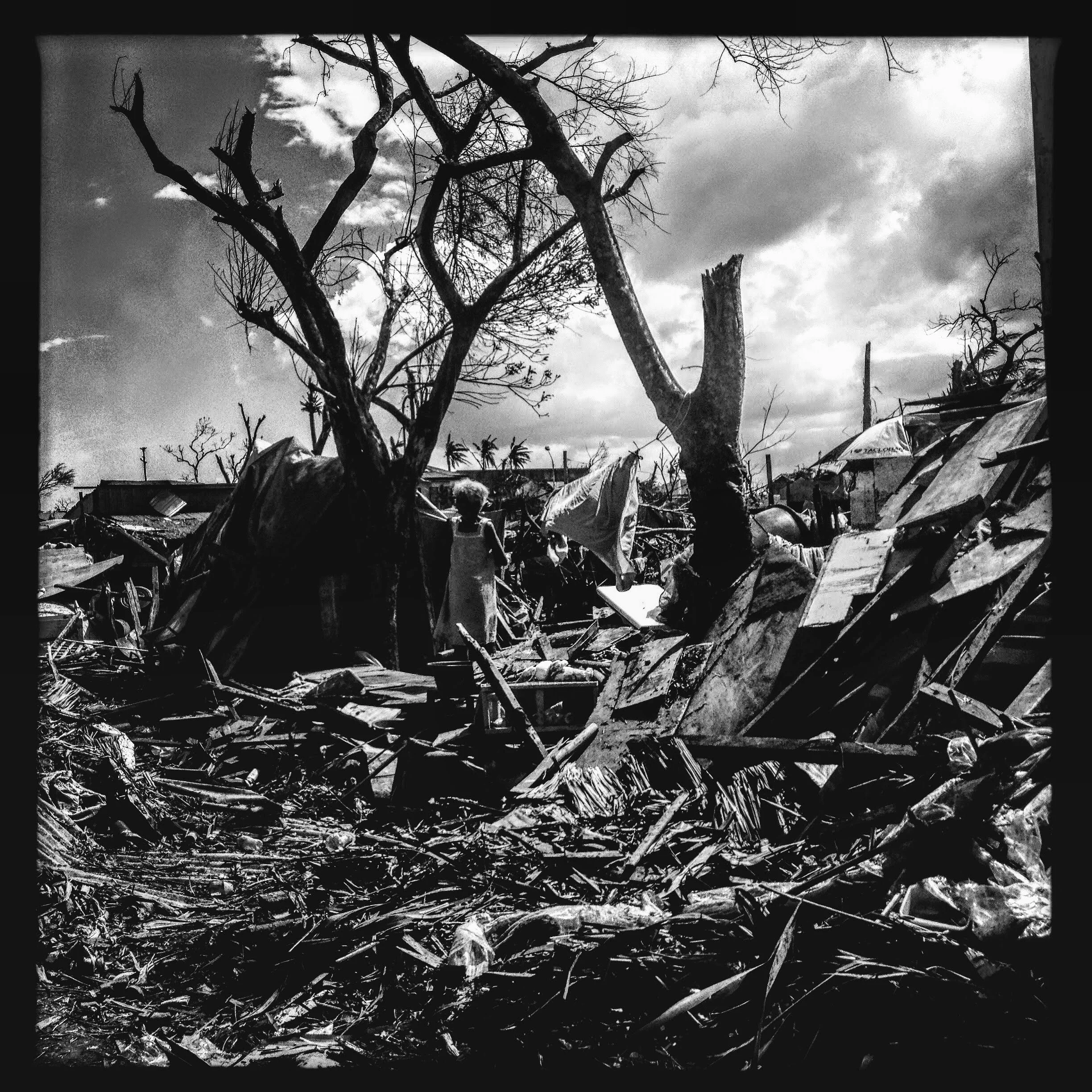
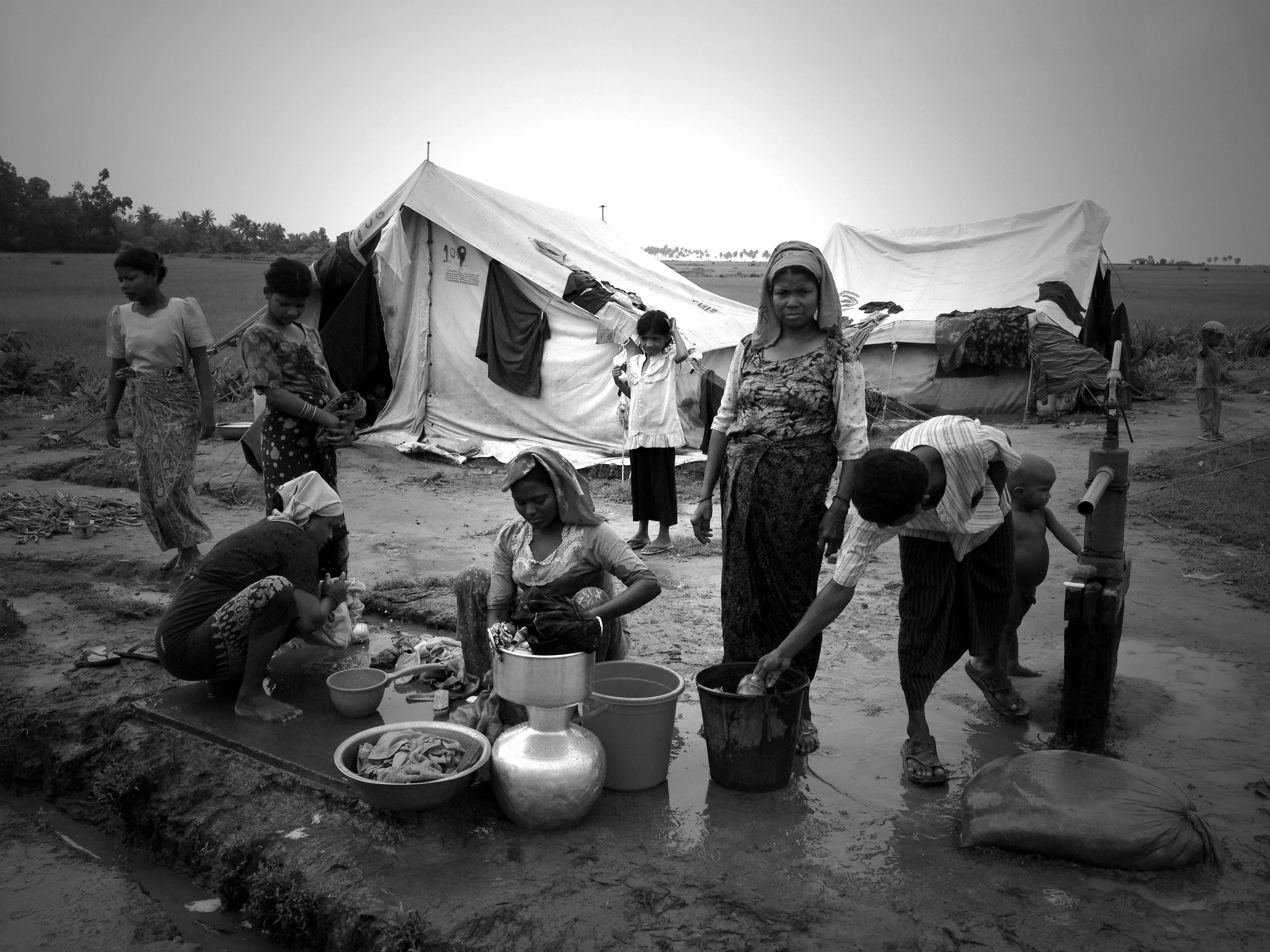
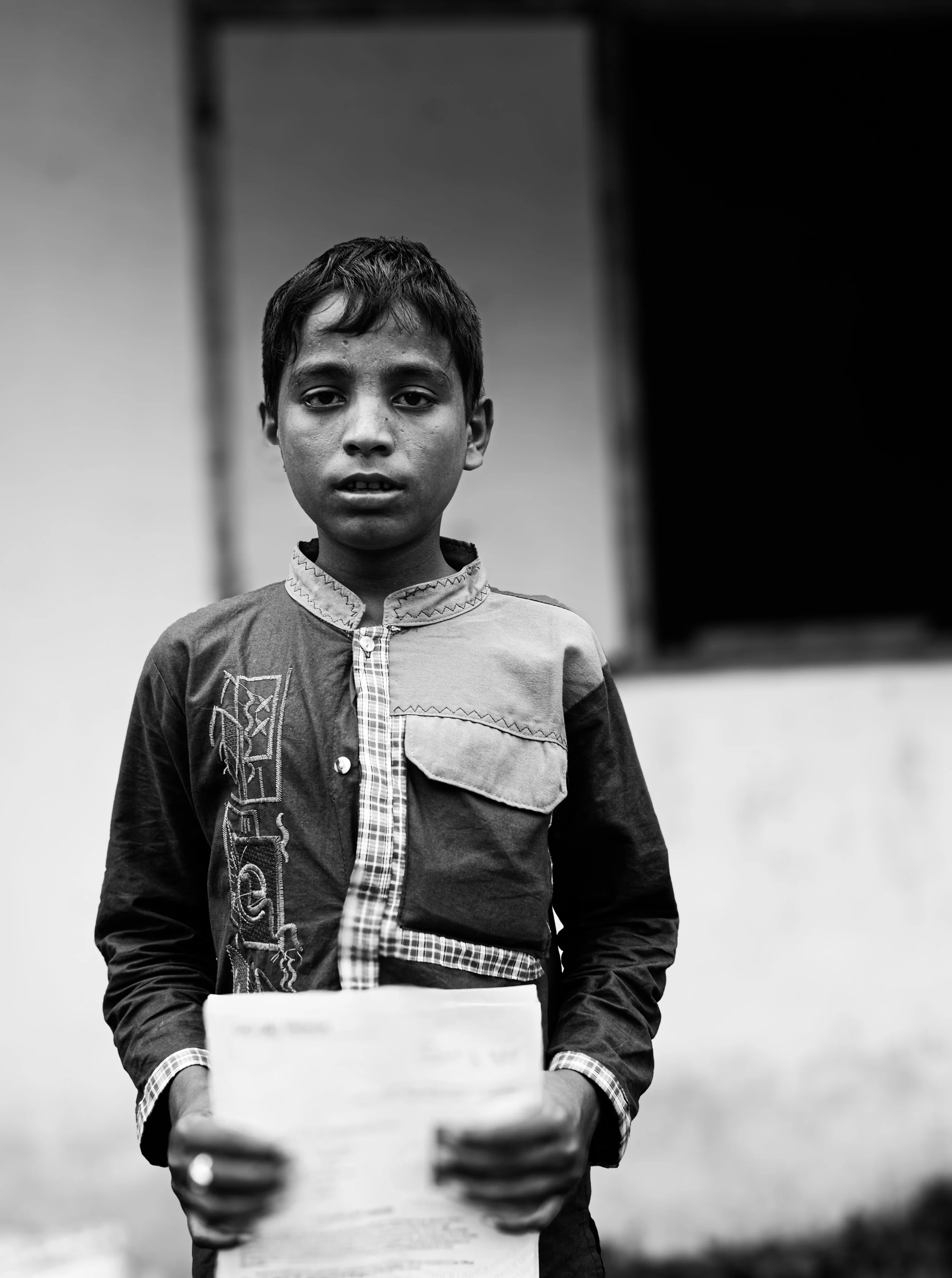
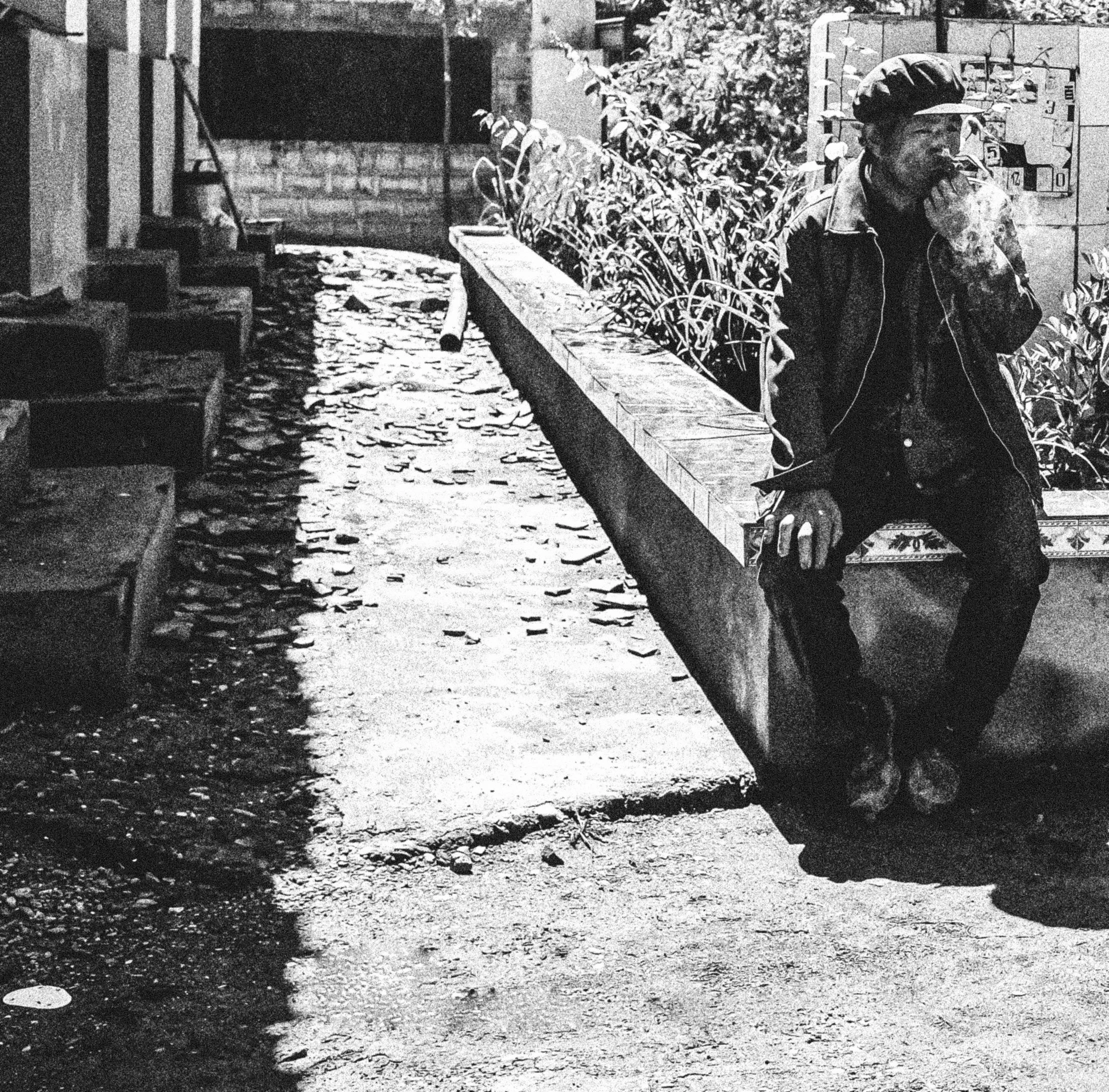
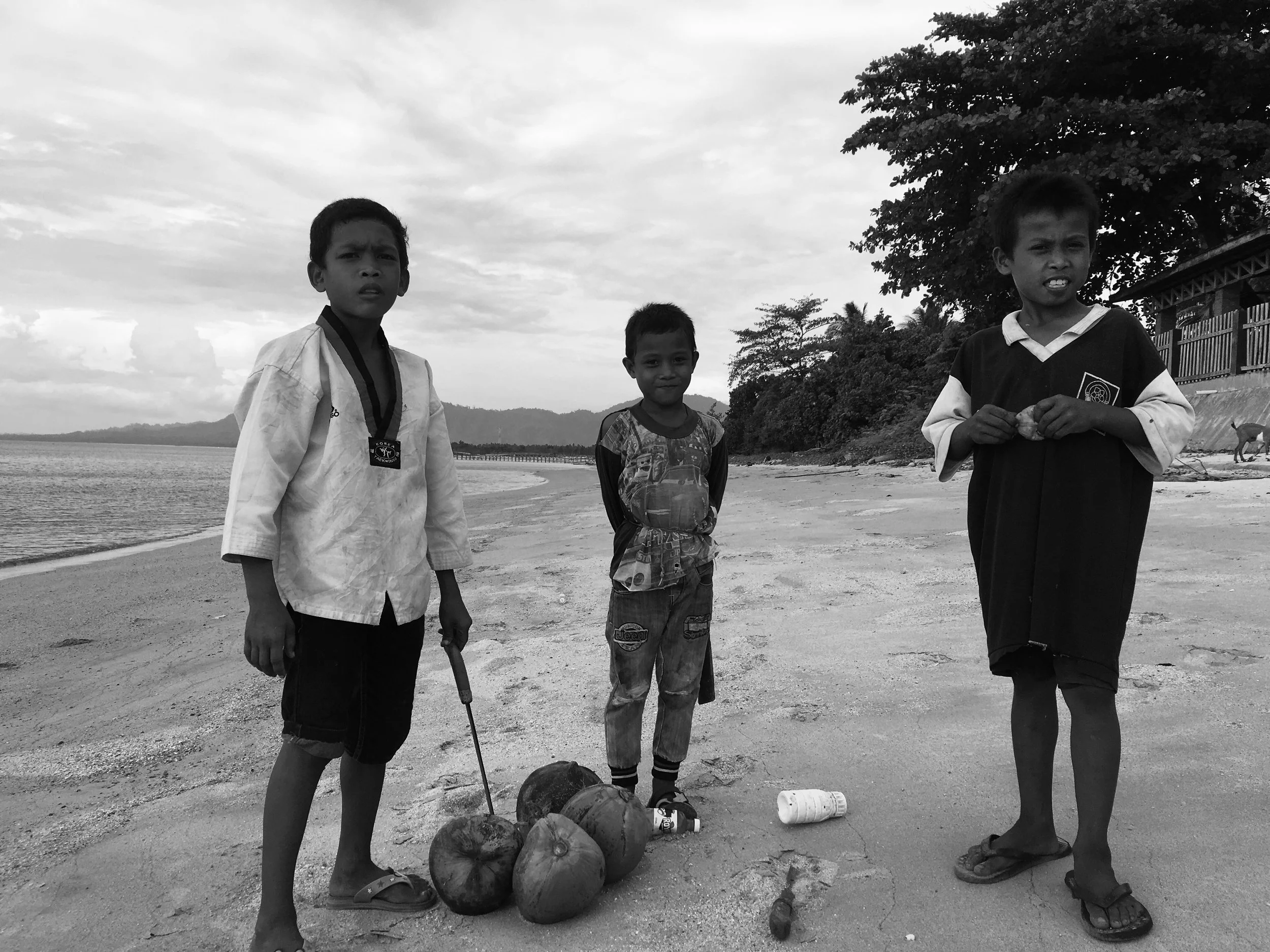
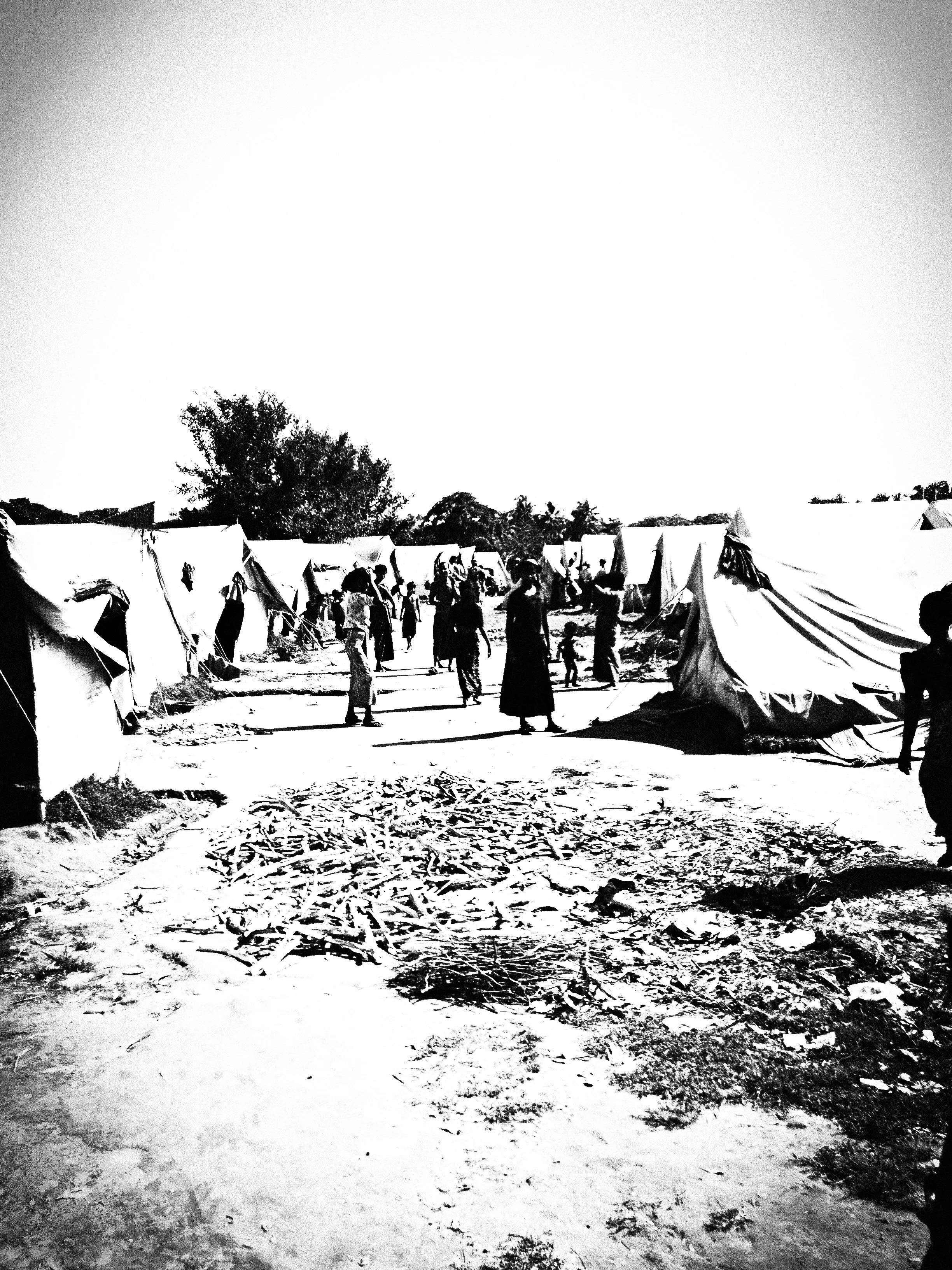
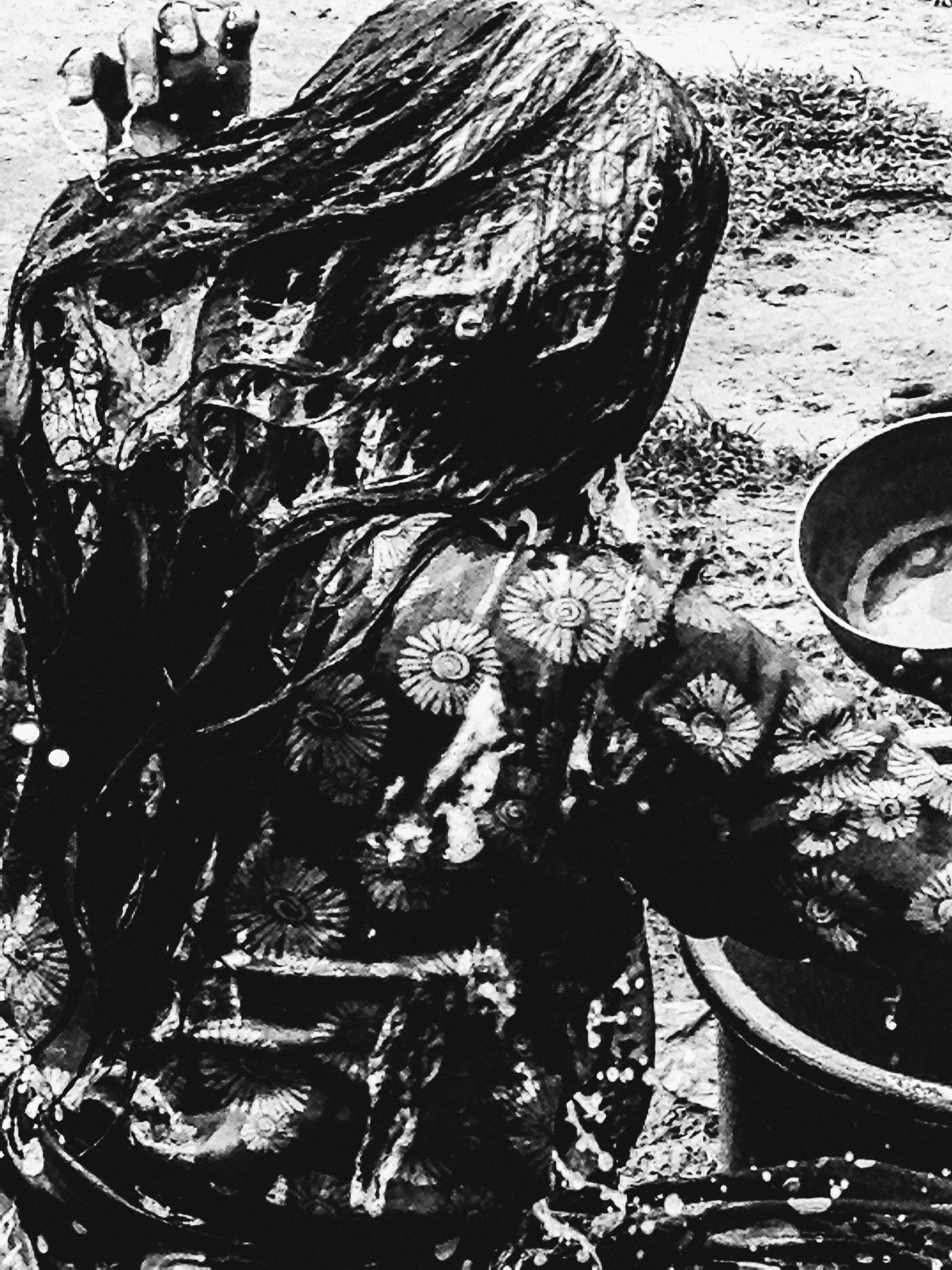
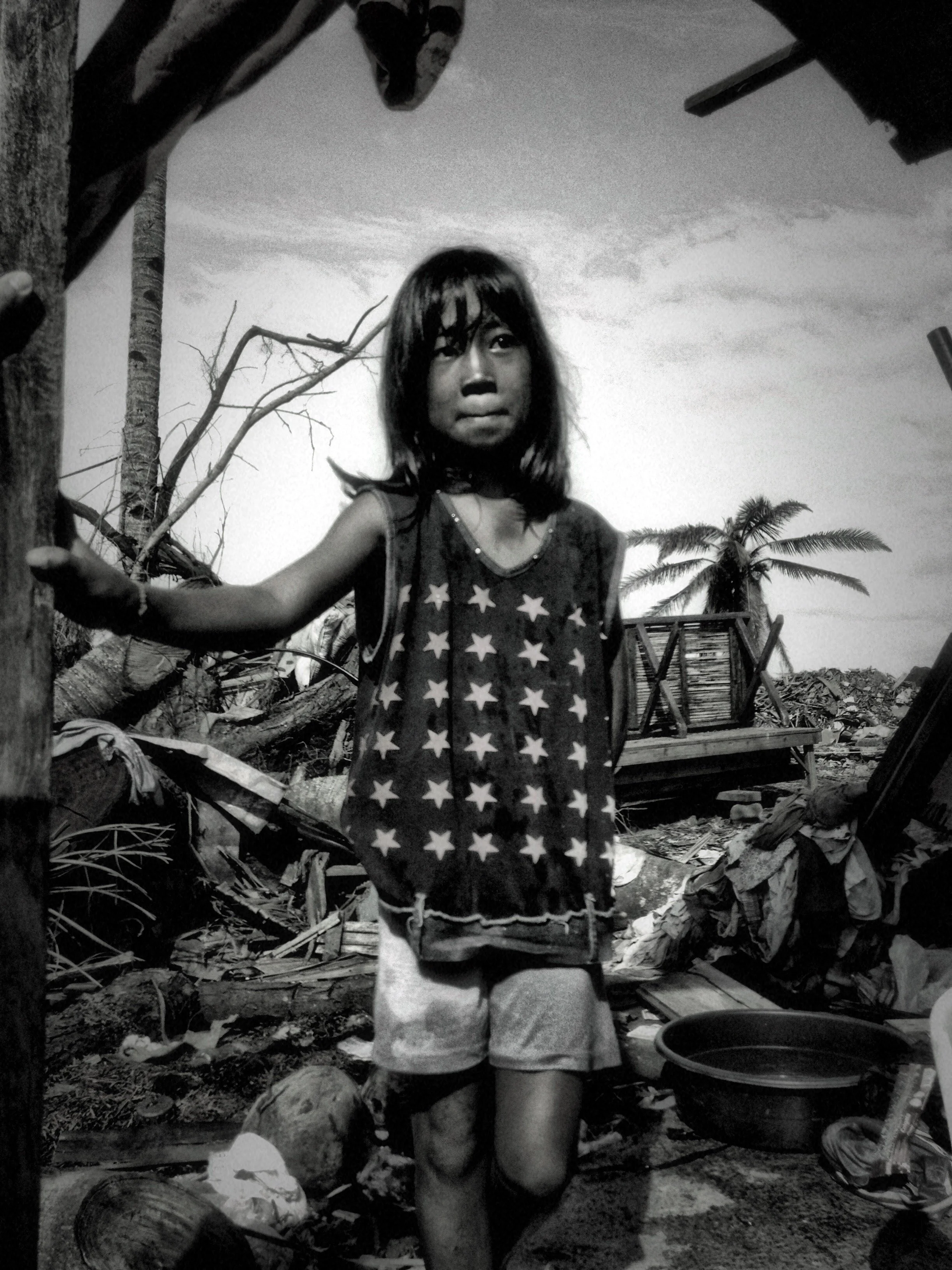
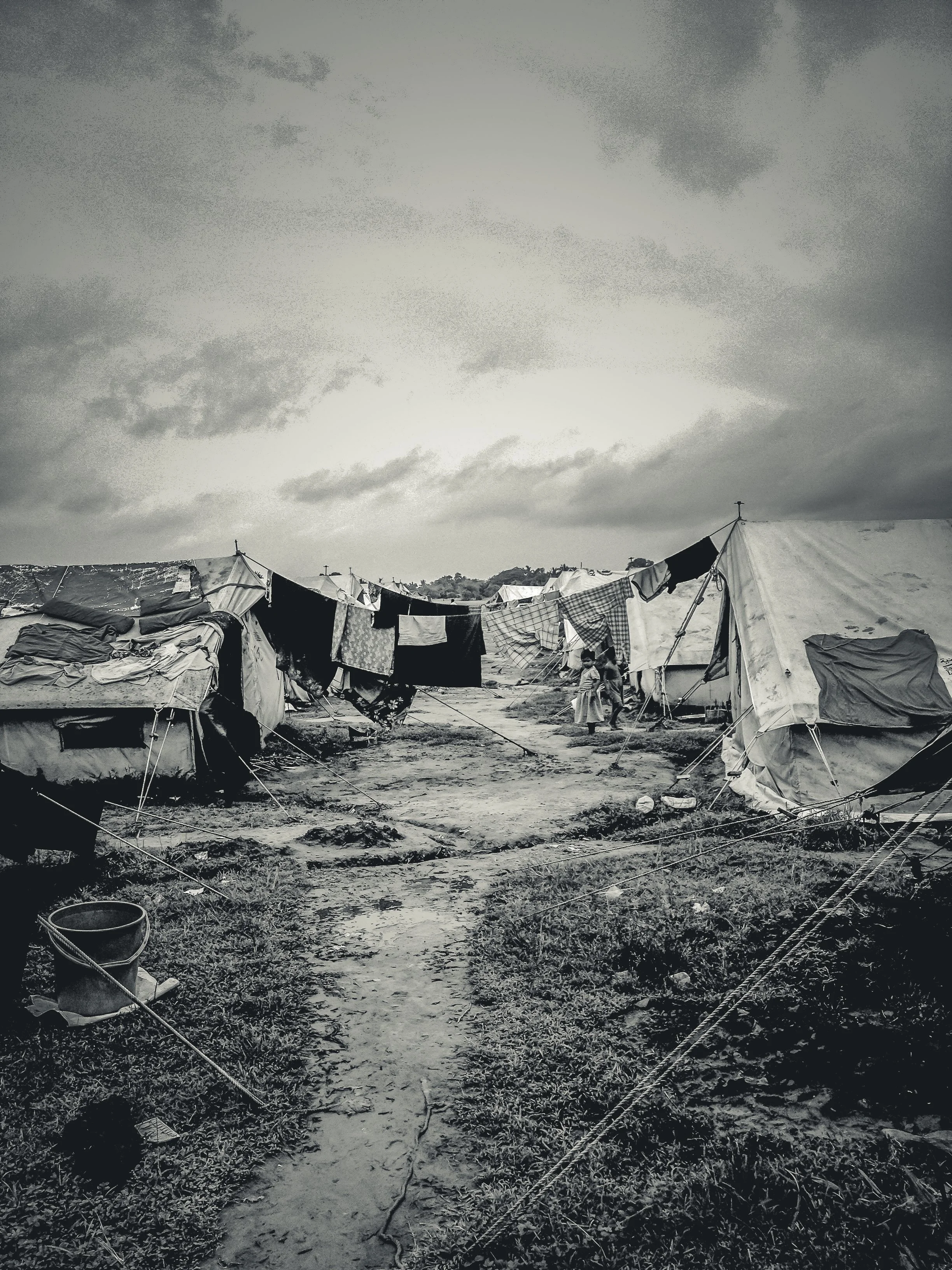
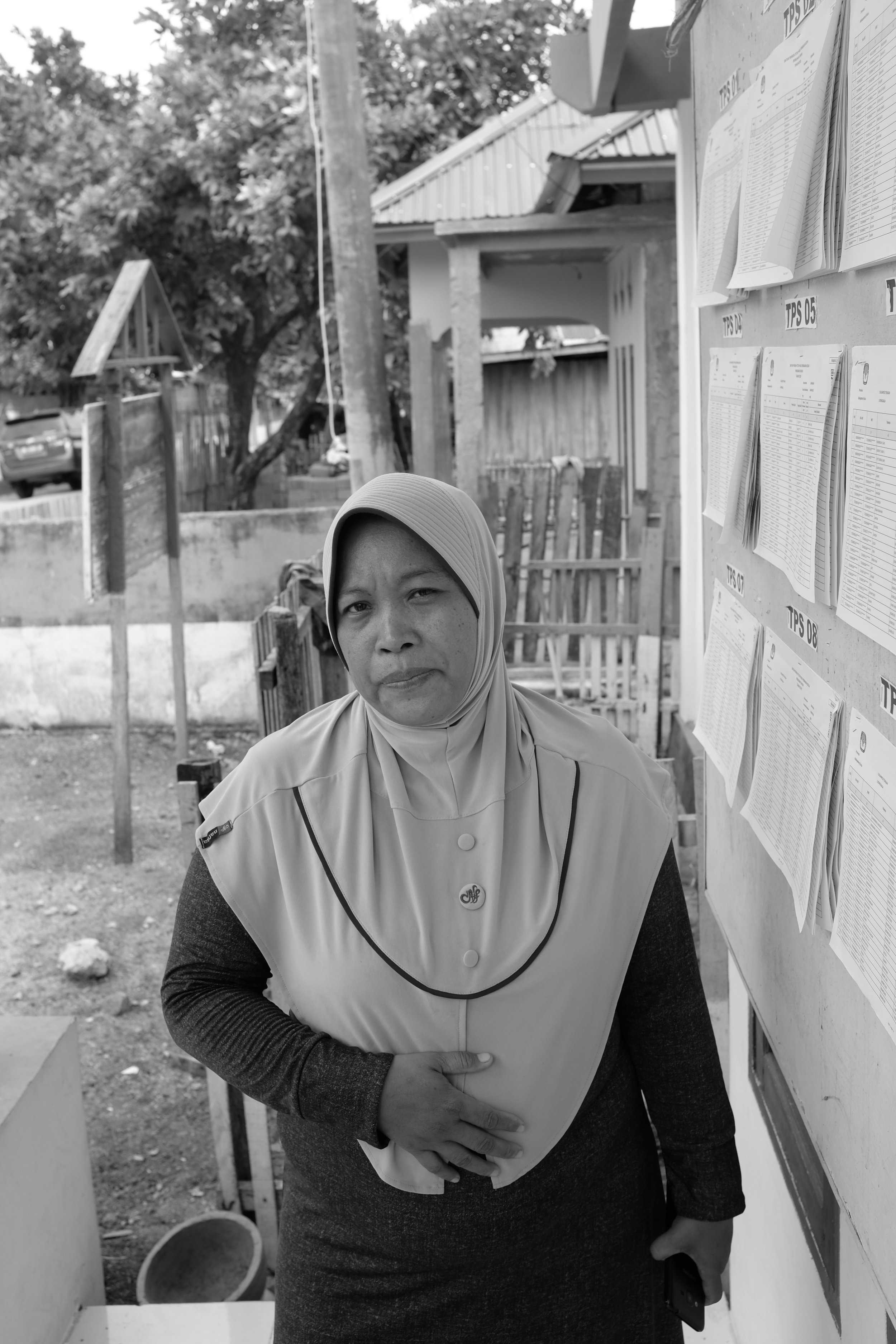
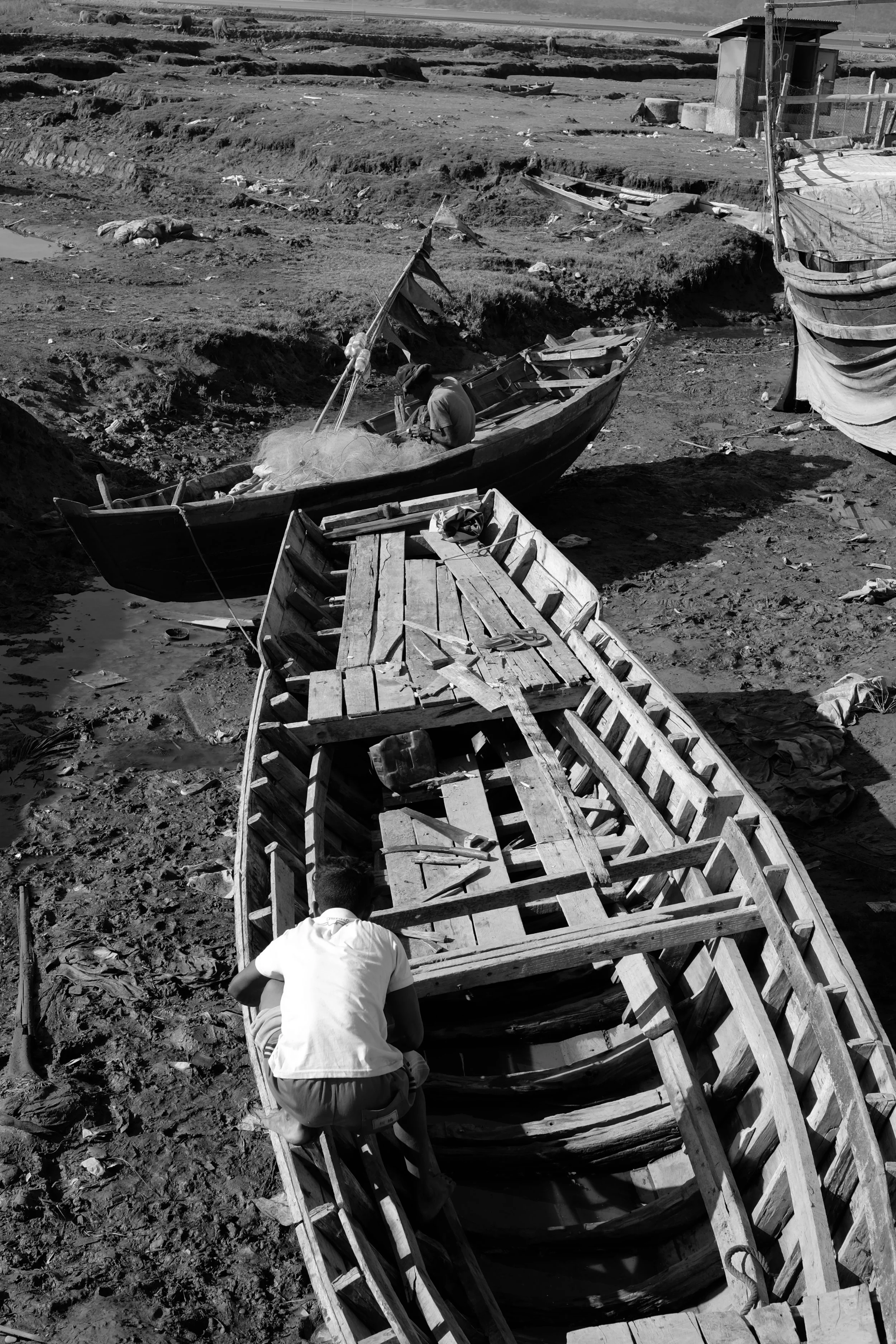
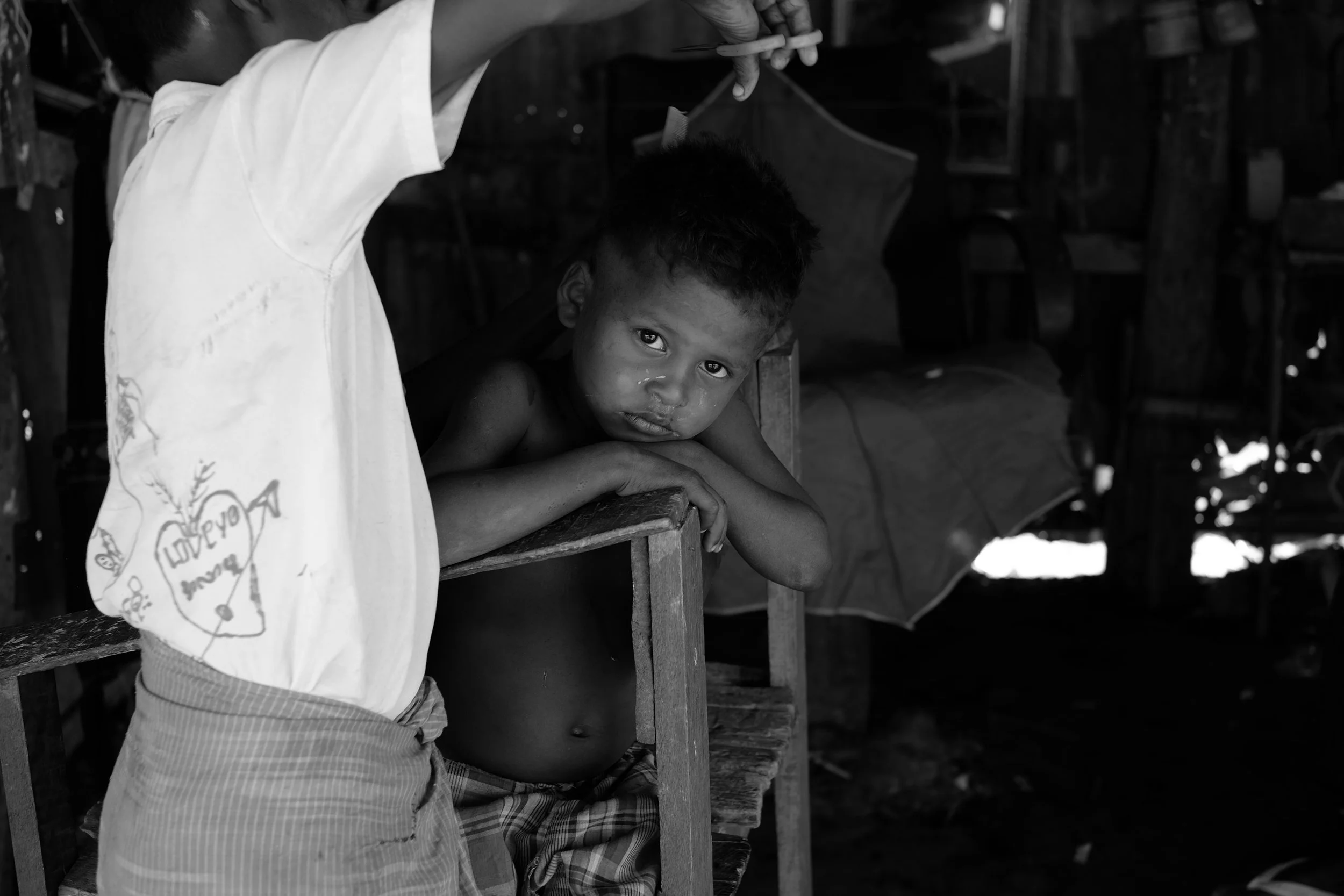
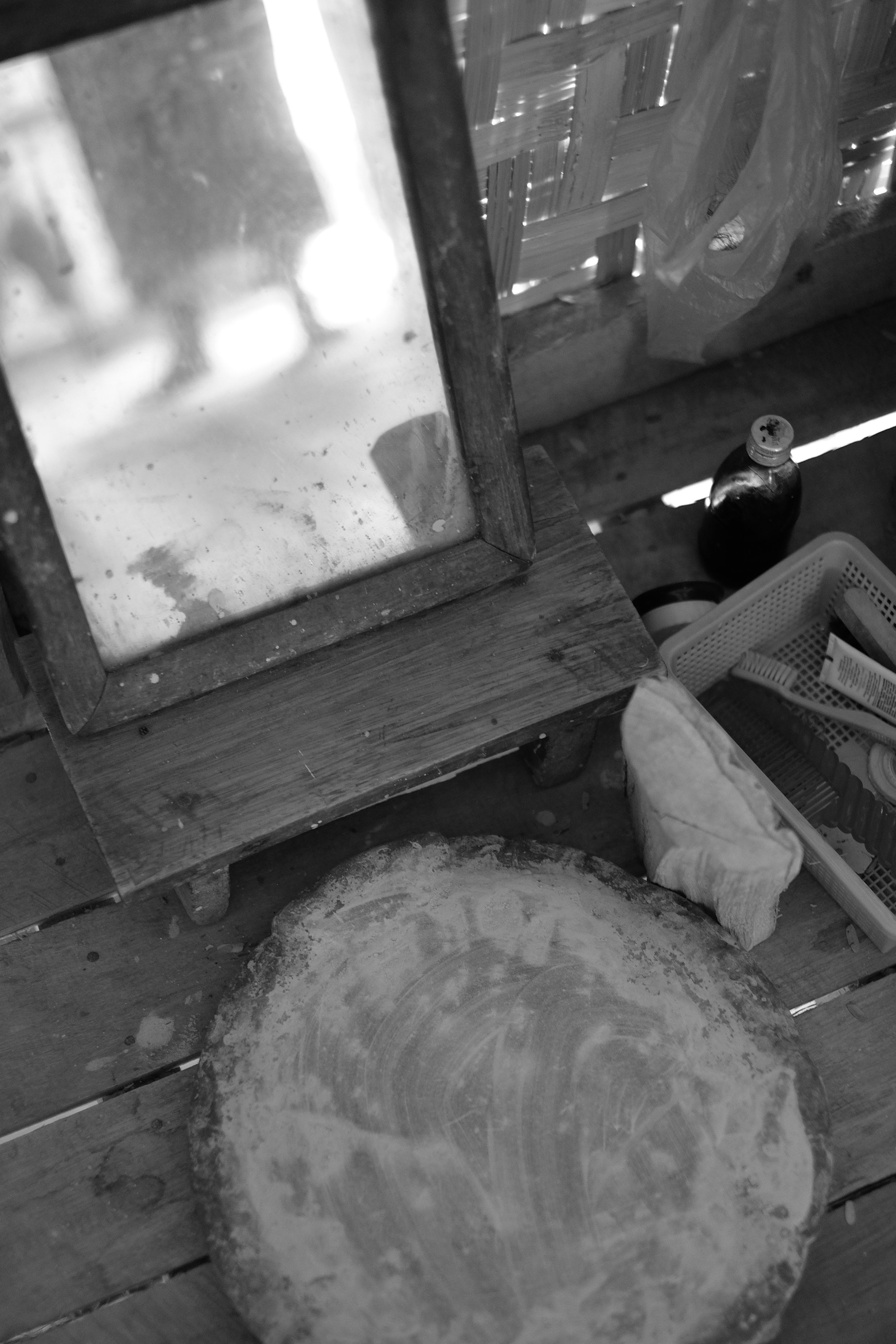
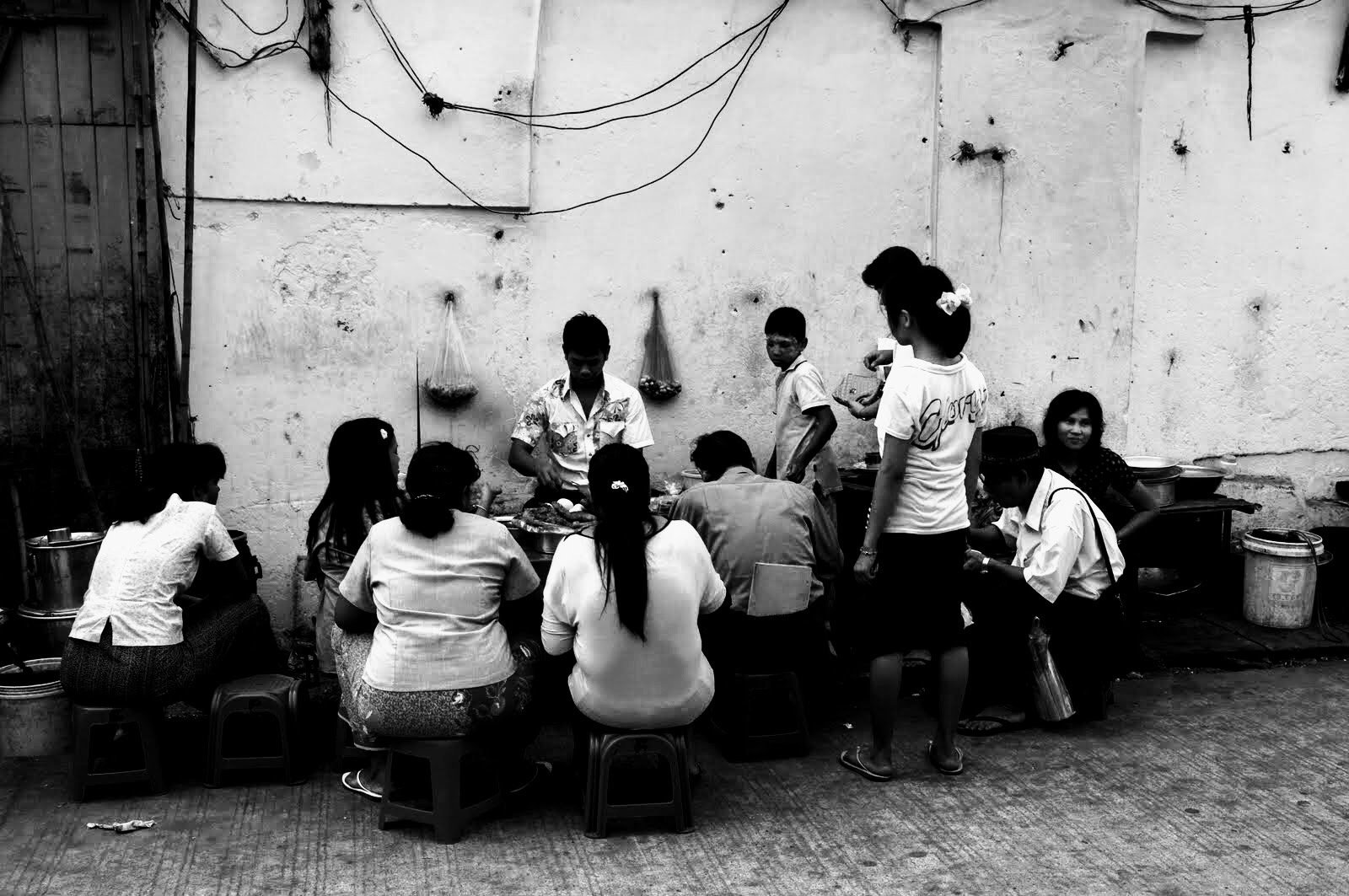
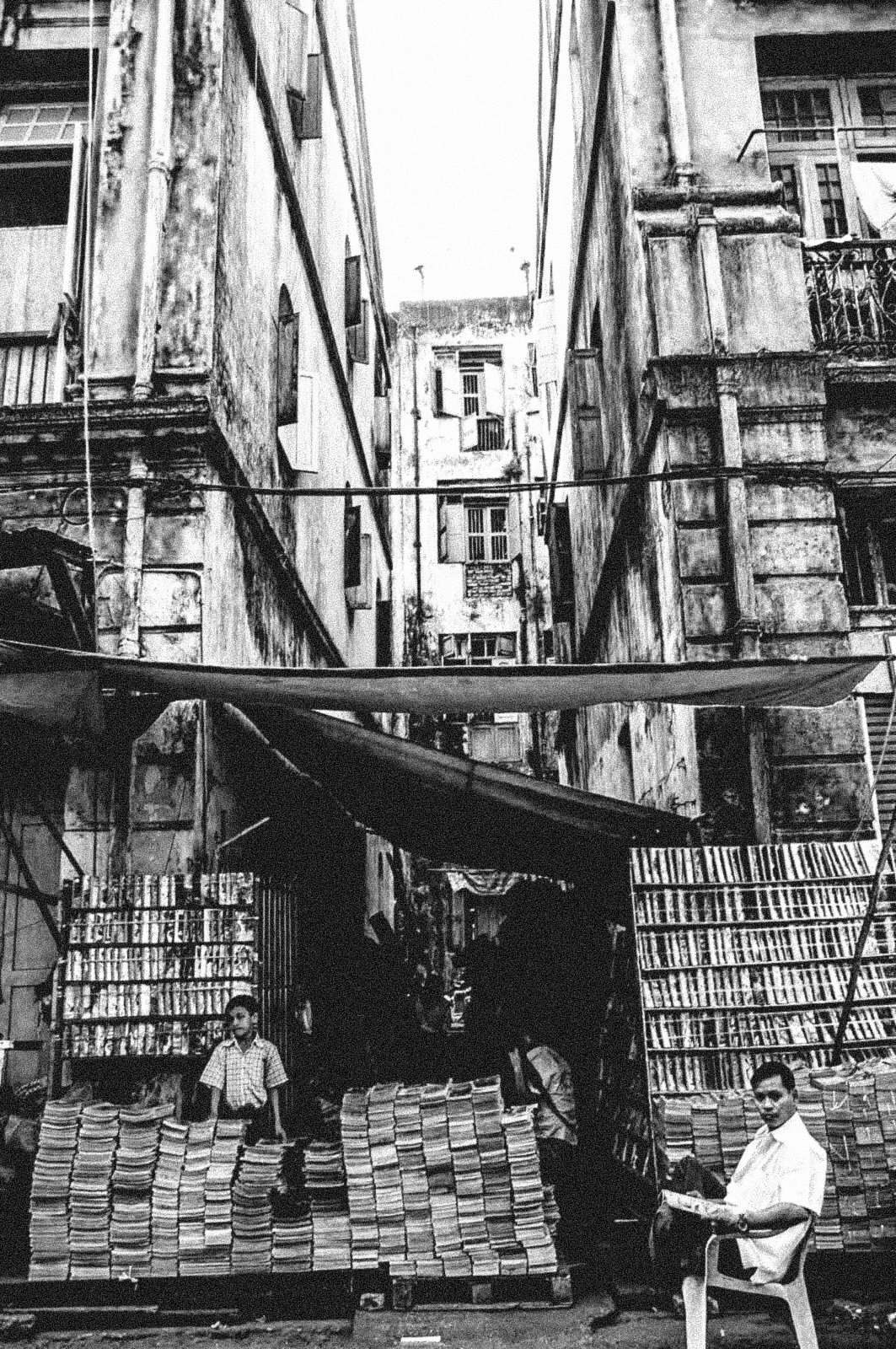
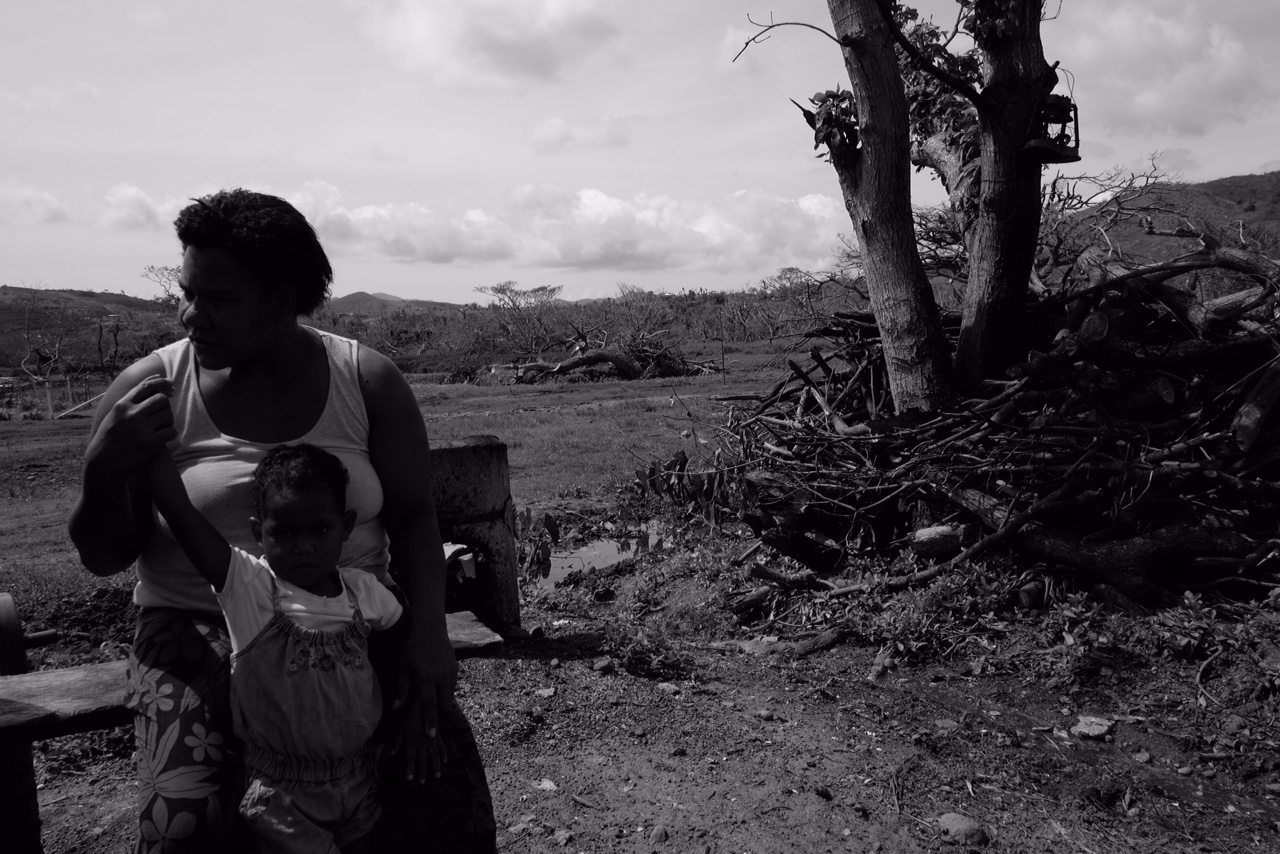
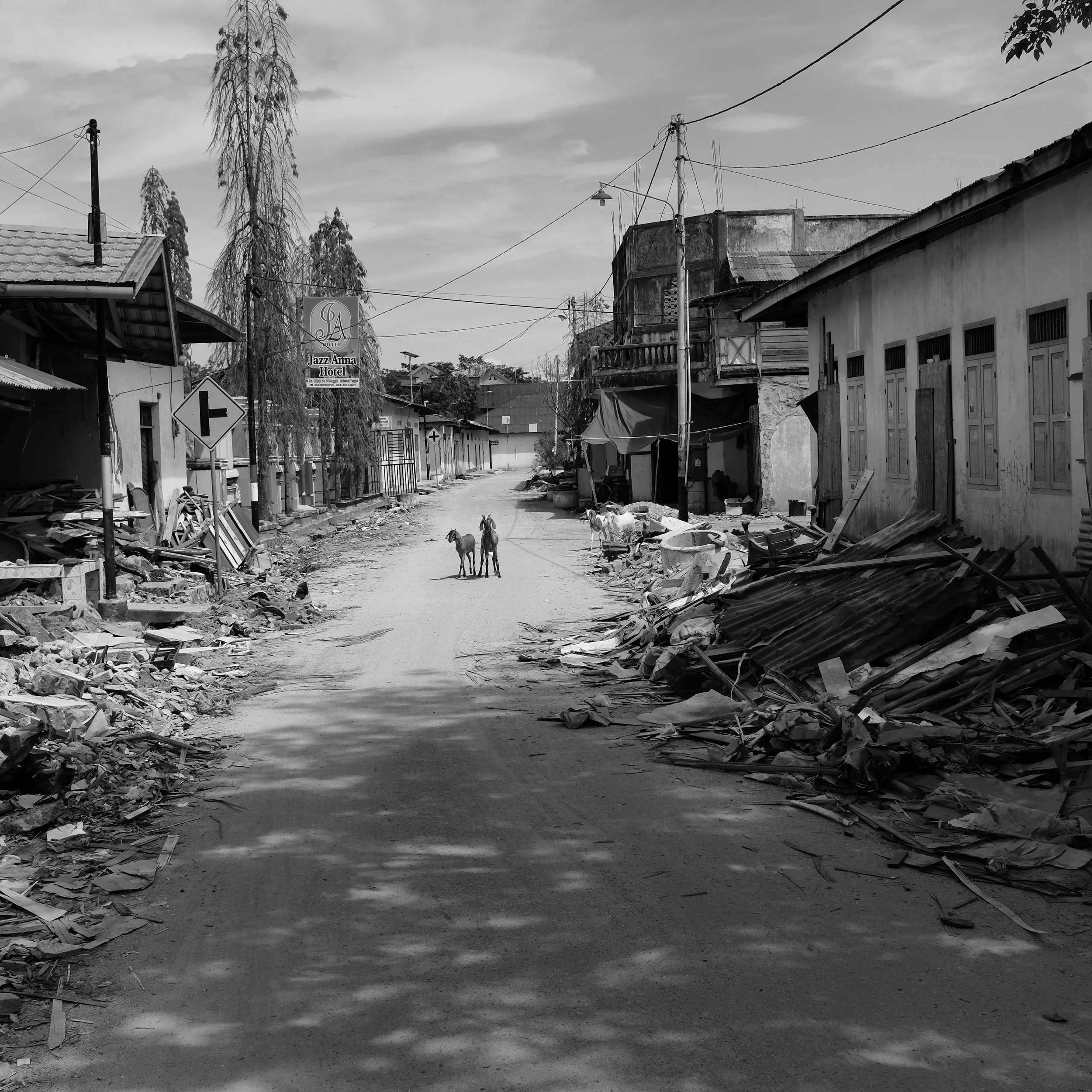
Displacement is too clinical a word for what these photographs try to hold. It suggests a problem of coordinates — of being moved from one place to another — when what I have witnessed over two decades of humanitarian work is something far more layered: the displacement of belonging, of future, of the ordinary rhythms that constitute a life. A woman standing before a shelter built from dried palm fronds, water jug balanced at her shoulder, meeting the camera with a gaze that neither pleads nor performs — she is not a symbol of need. She is a person who has rebuilt a world from almost nothing, and knows it.
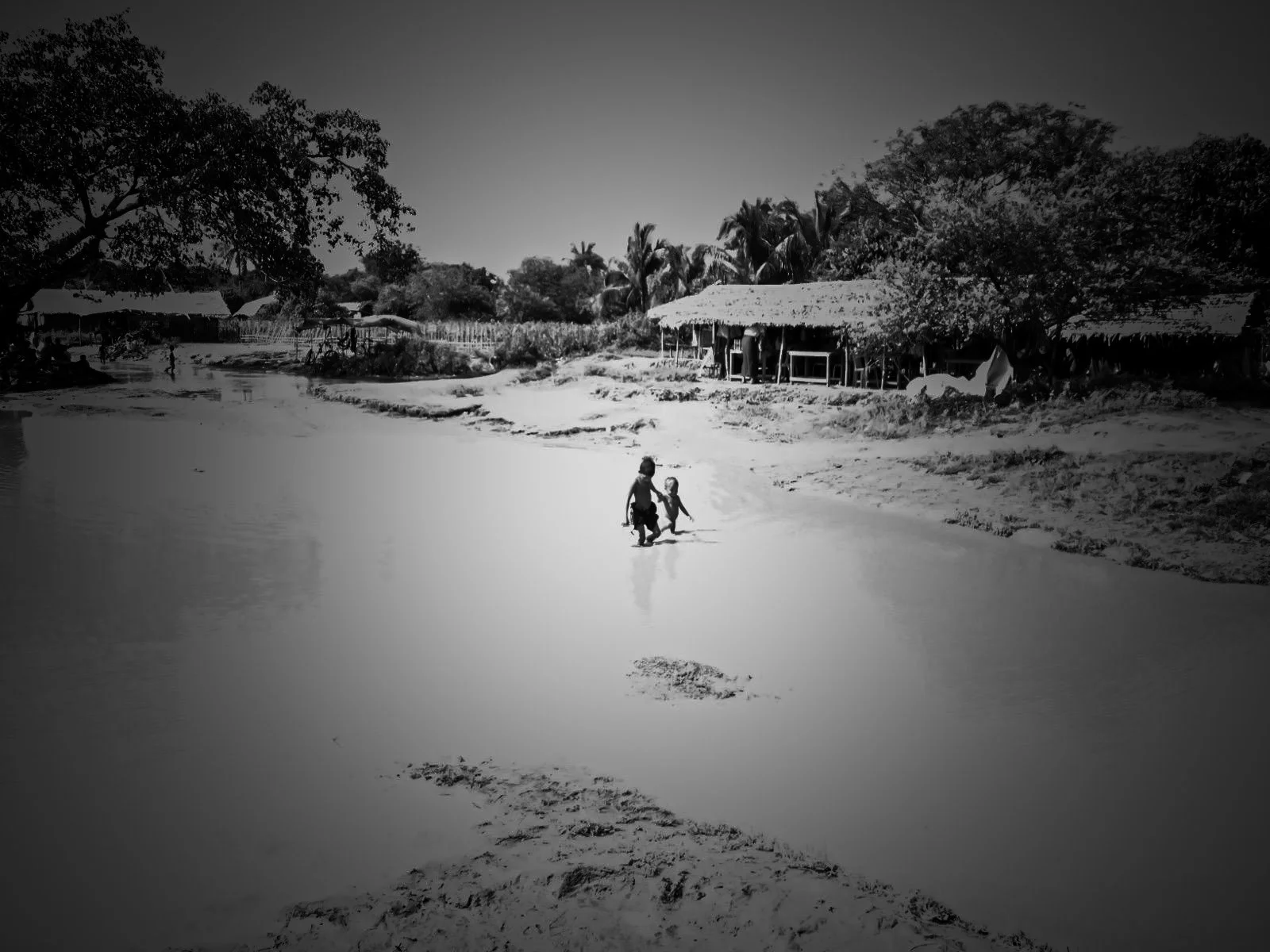
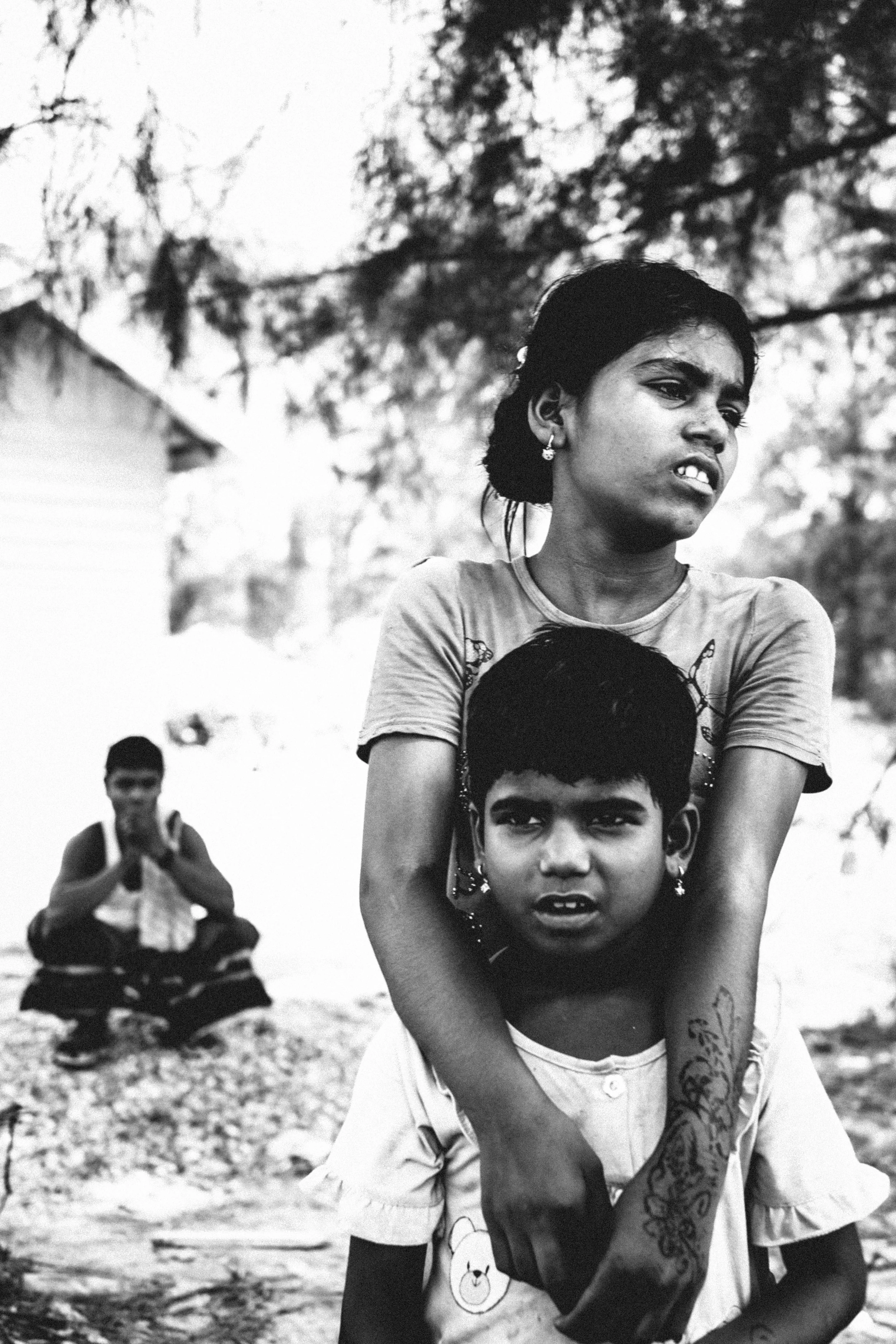
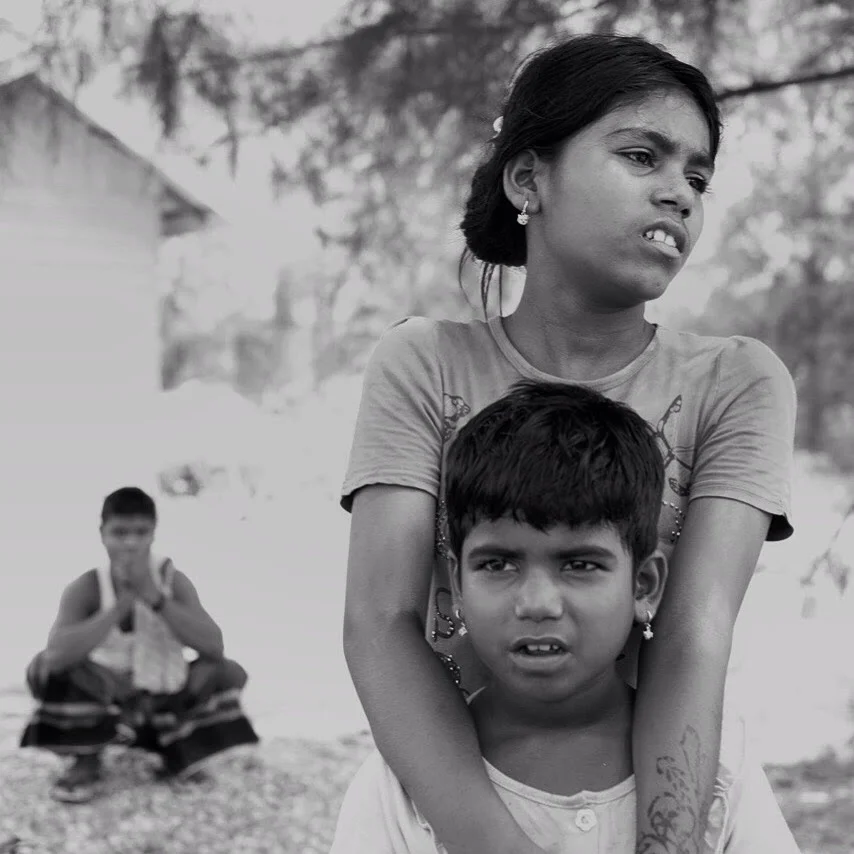
Then there are the two Rohingya sisters. The older girl holds the younger one from behind, arms wrapped around her with a fierceness that is also tenderness. They have crossed from internally displaced to refugee on a boat journey that took their parents. What remains is each other. They look directly into the camera — not with grief exactly, but with something older and more intractable: the knowledge that they are now the shelter. I have never been able to look at this photograph without feeling the full weight of what international law, political will, and humanitarian systems so often fail to hold.
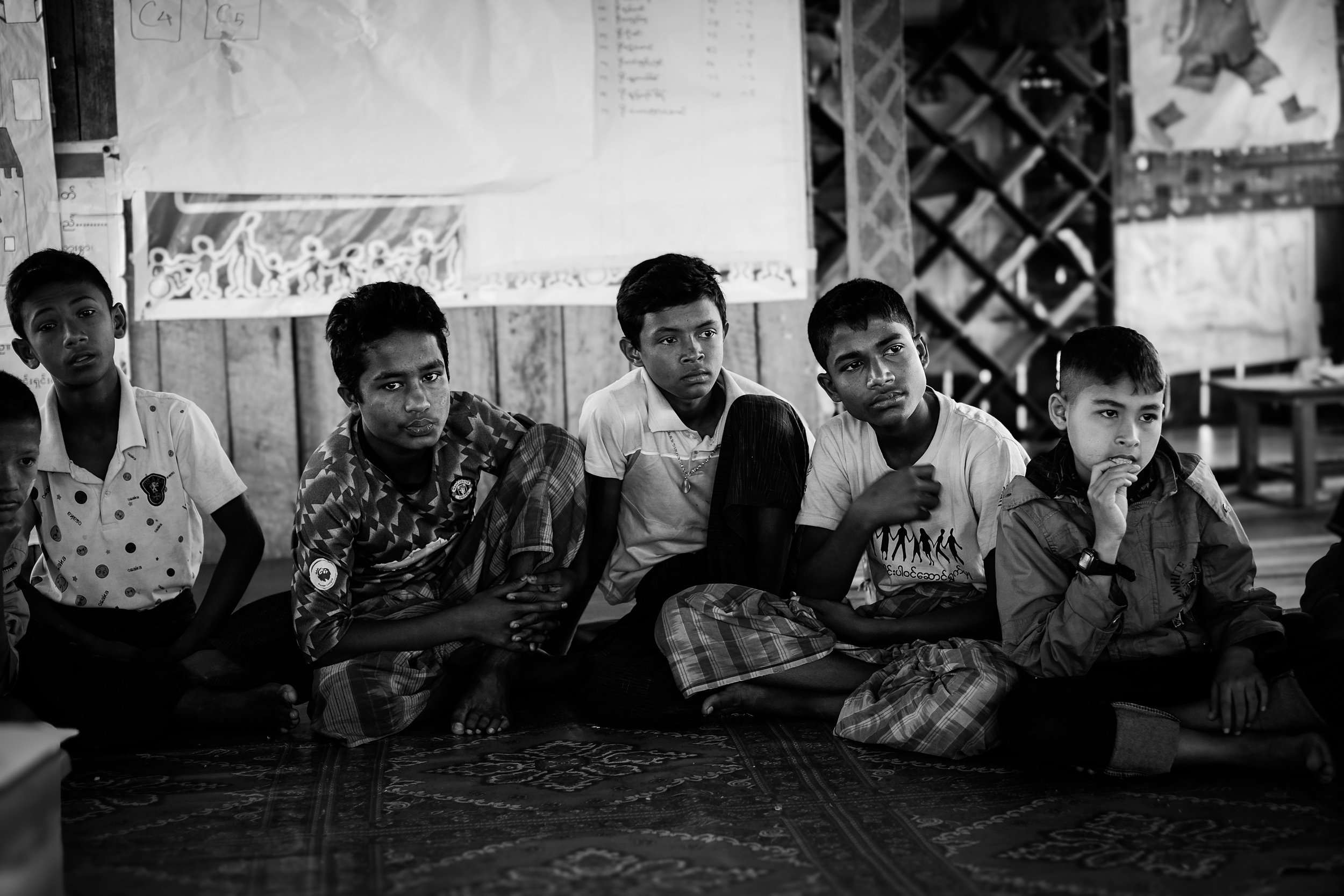
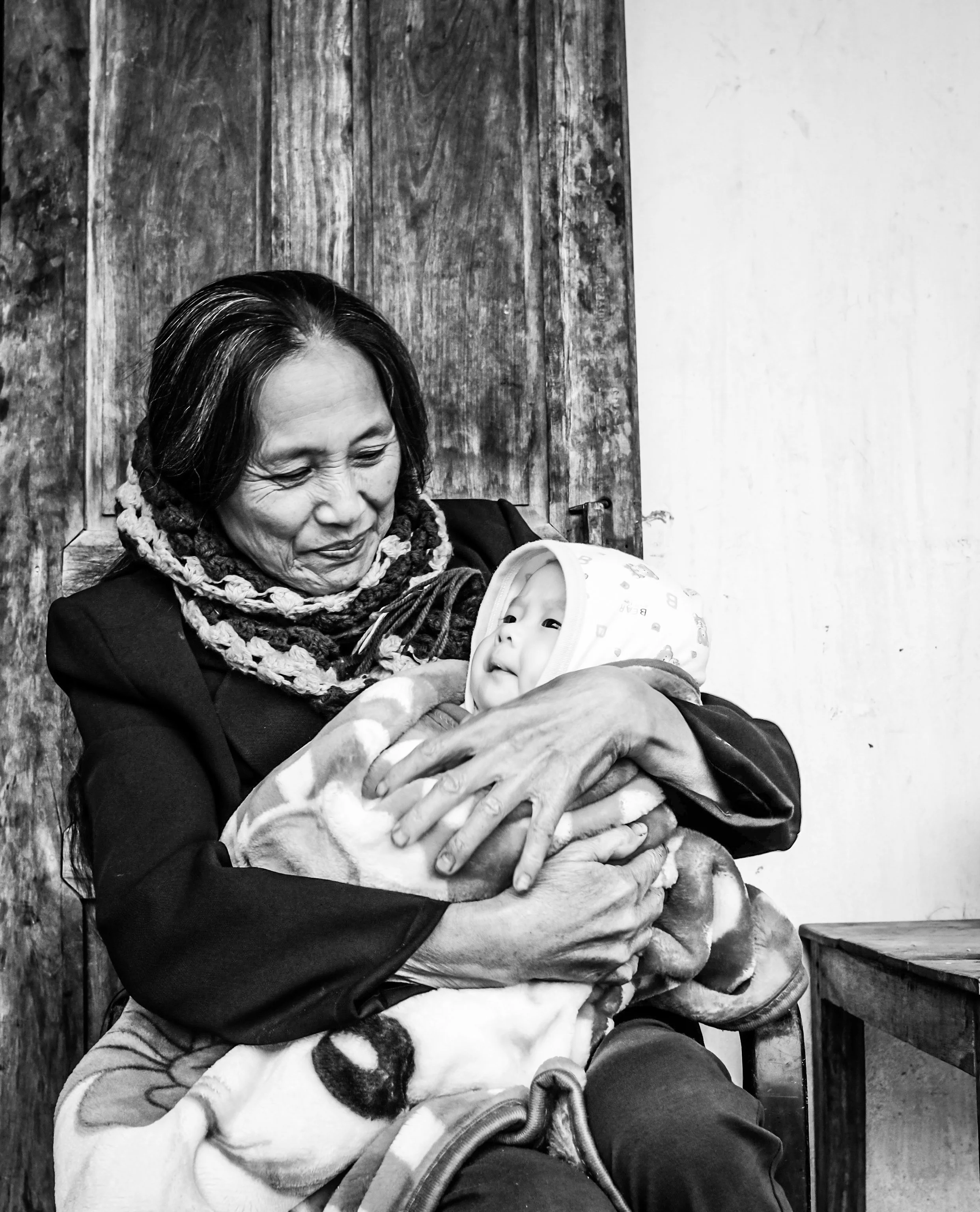
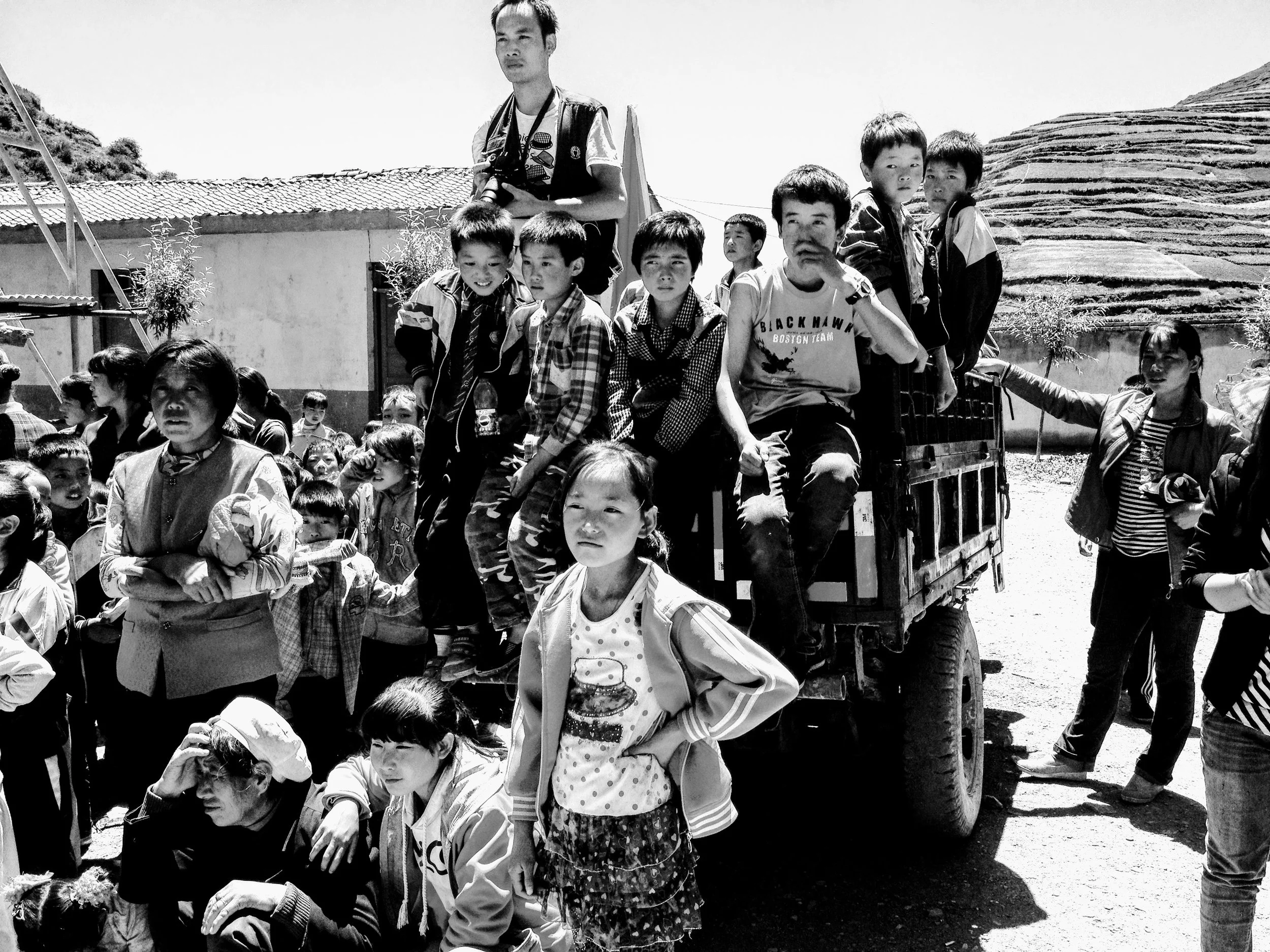
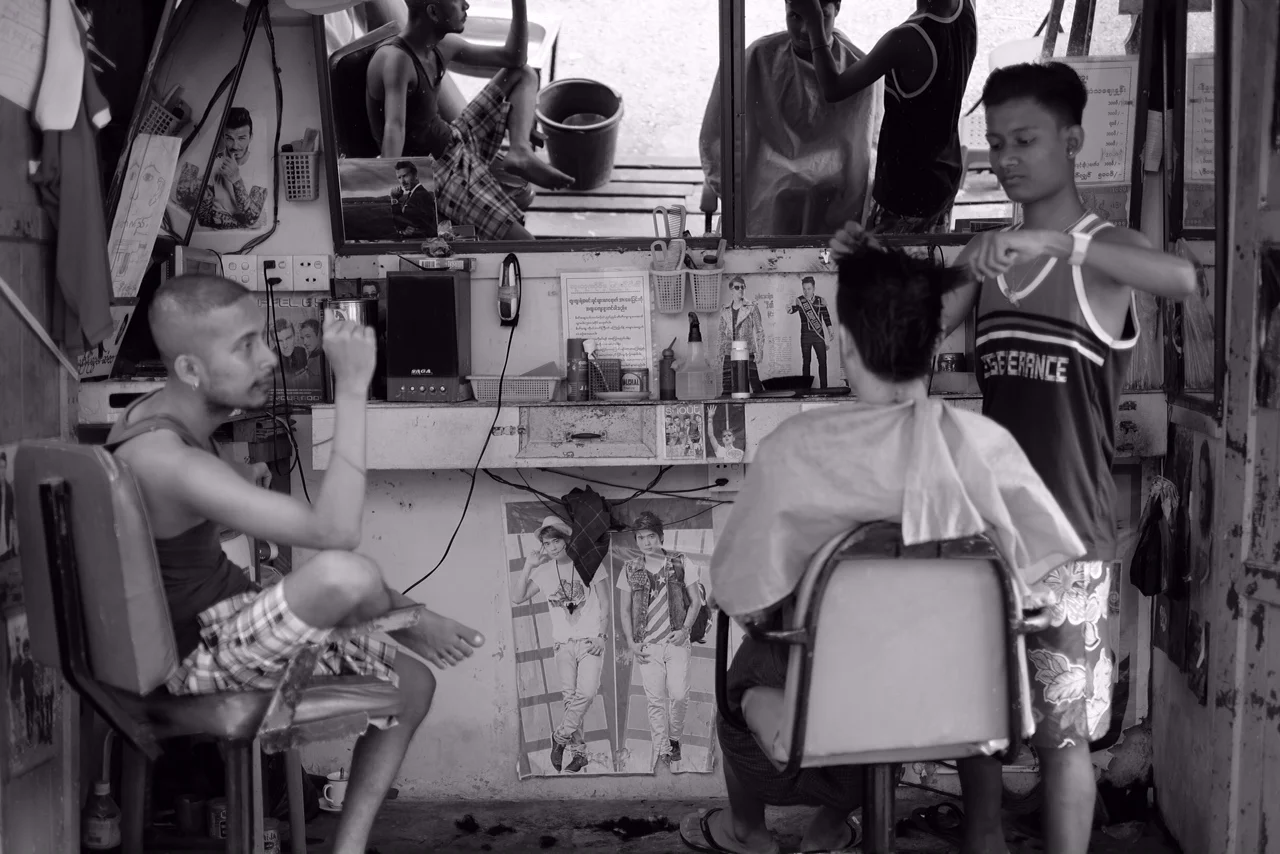
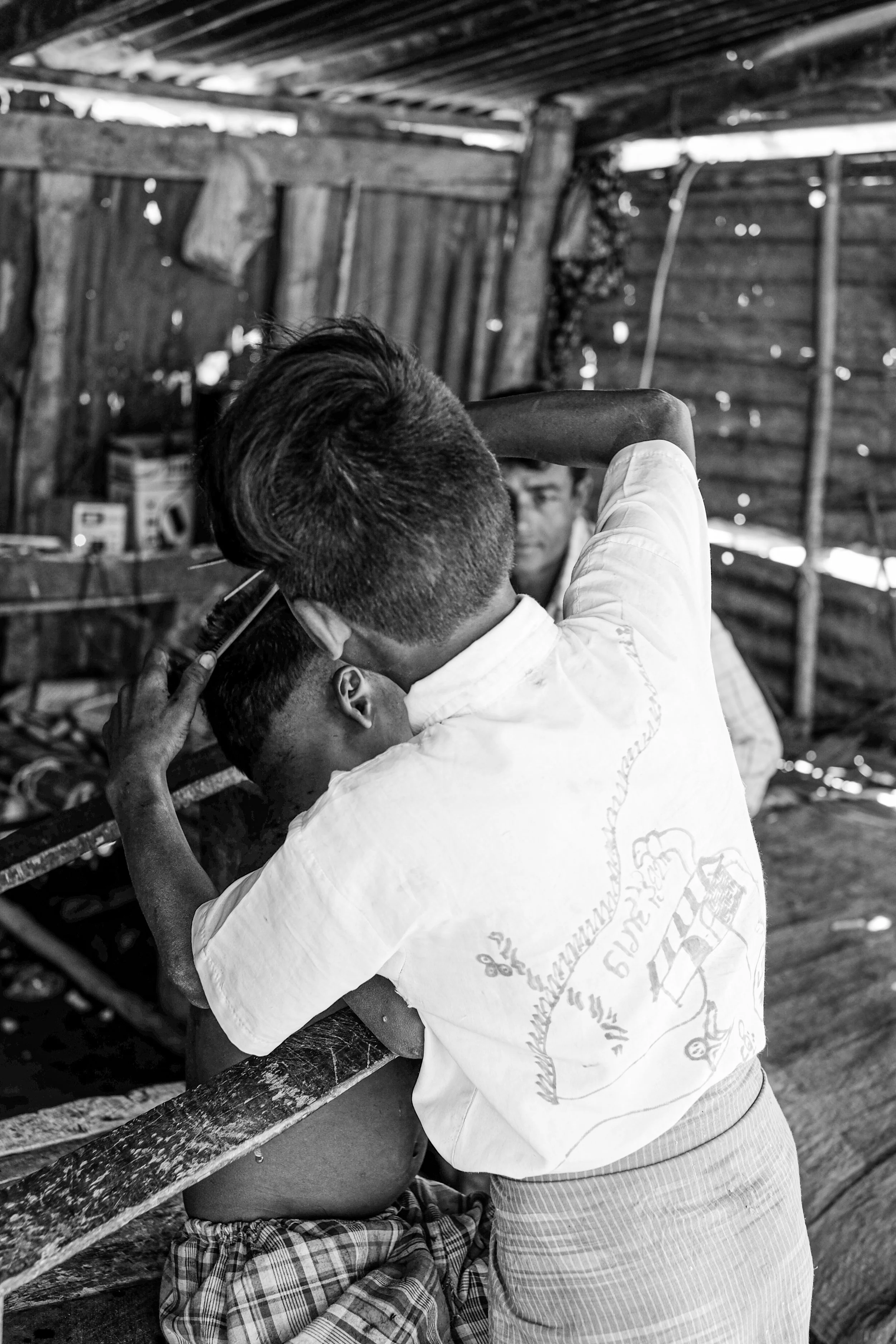
I have worked in conflicts, disasters, and the slow emergencies that never make the news. I have learned to distrust grand gestures and to pay close attention to the small ones — the way a grandmother tucks a newborn into the crook of her arm with a tenderness that outlasts every catastrophe around her, the way teenage boys in a displacement camp get haircuts and look in mirrors, insisting on themselves. These are not incidental details. They are the whole argument.
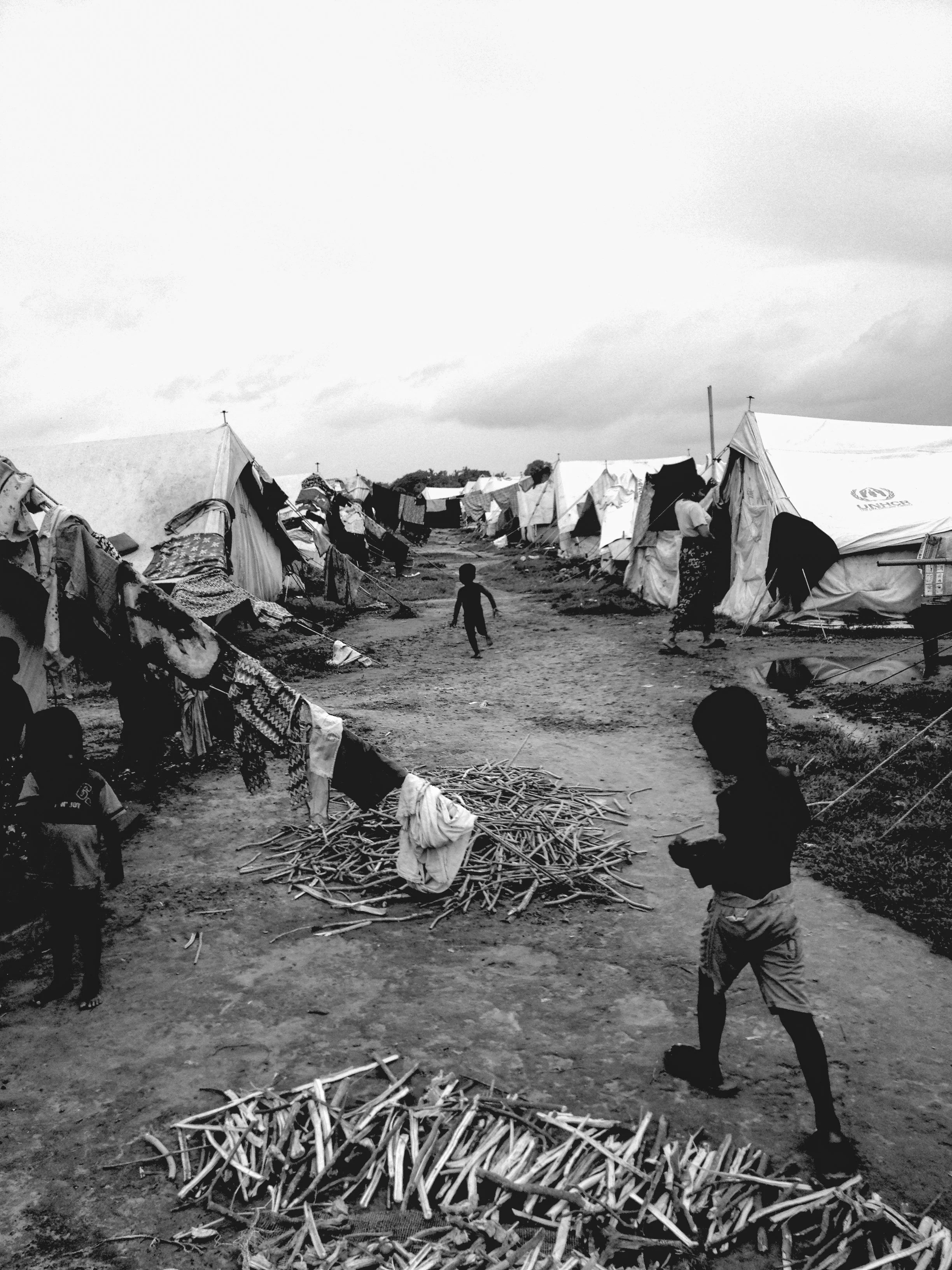
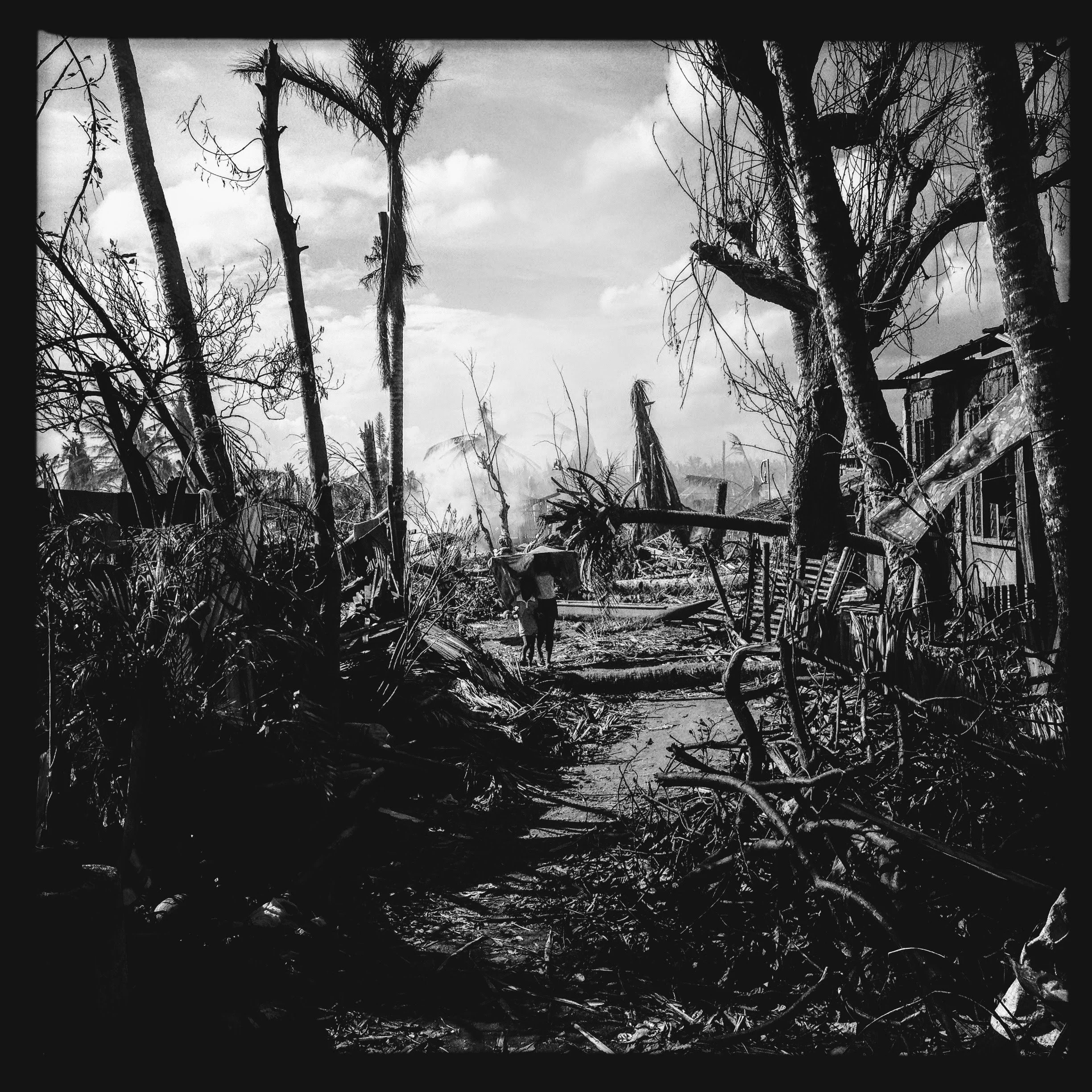
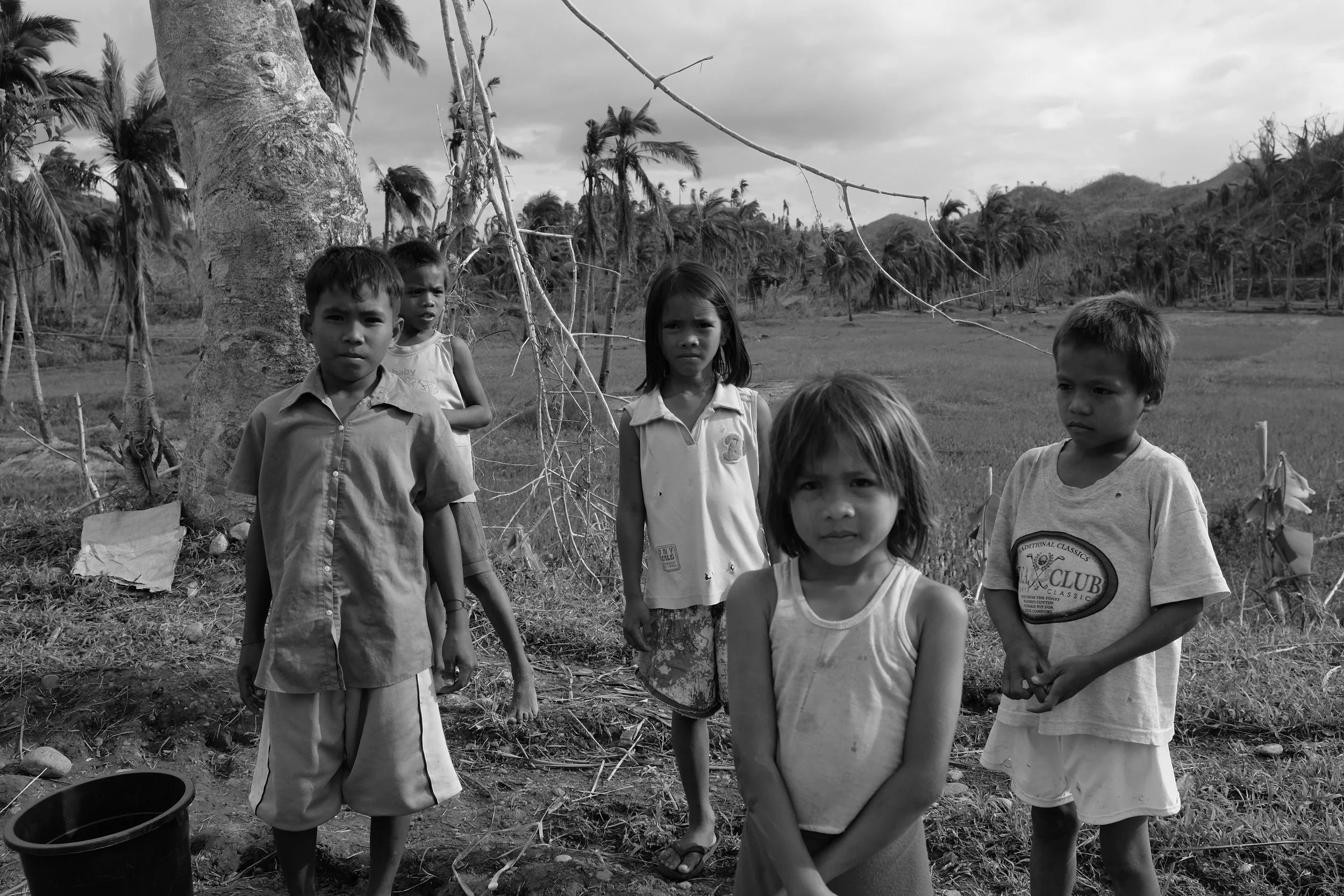
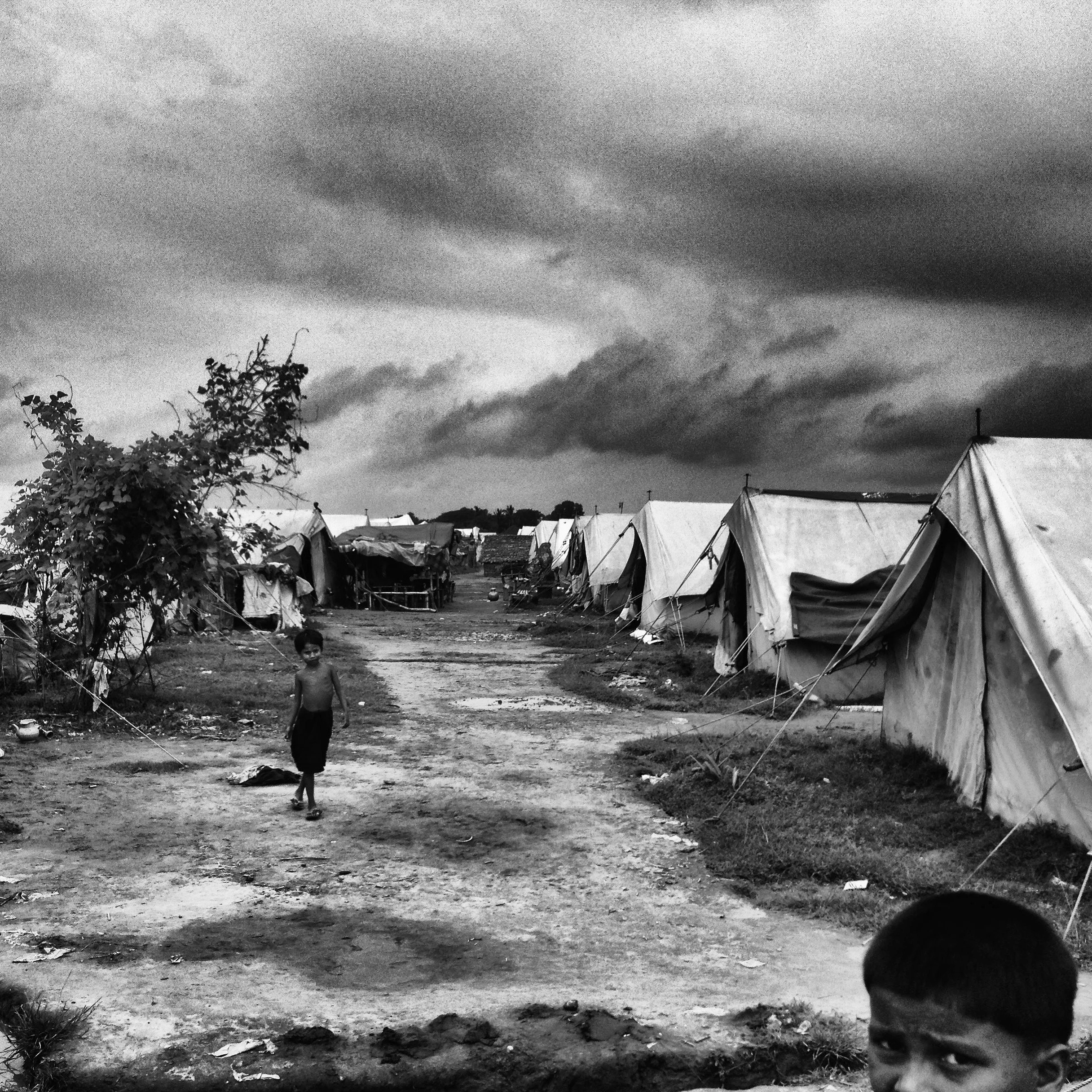
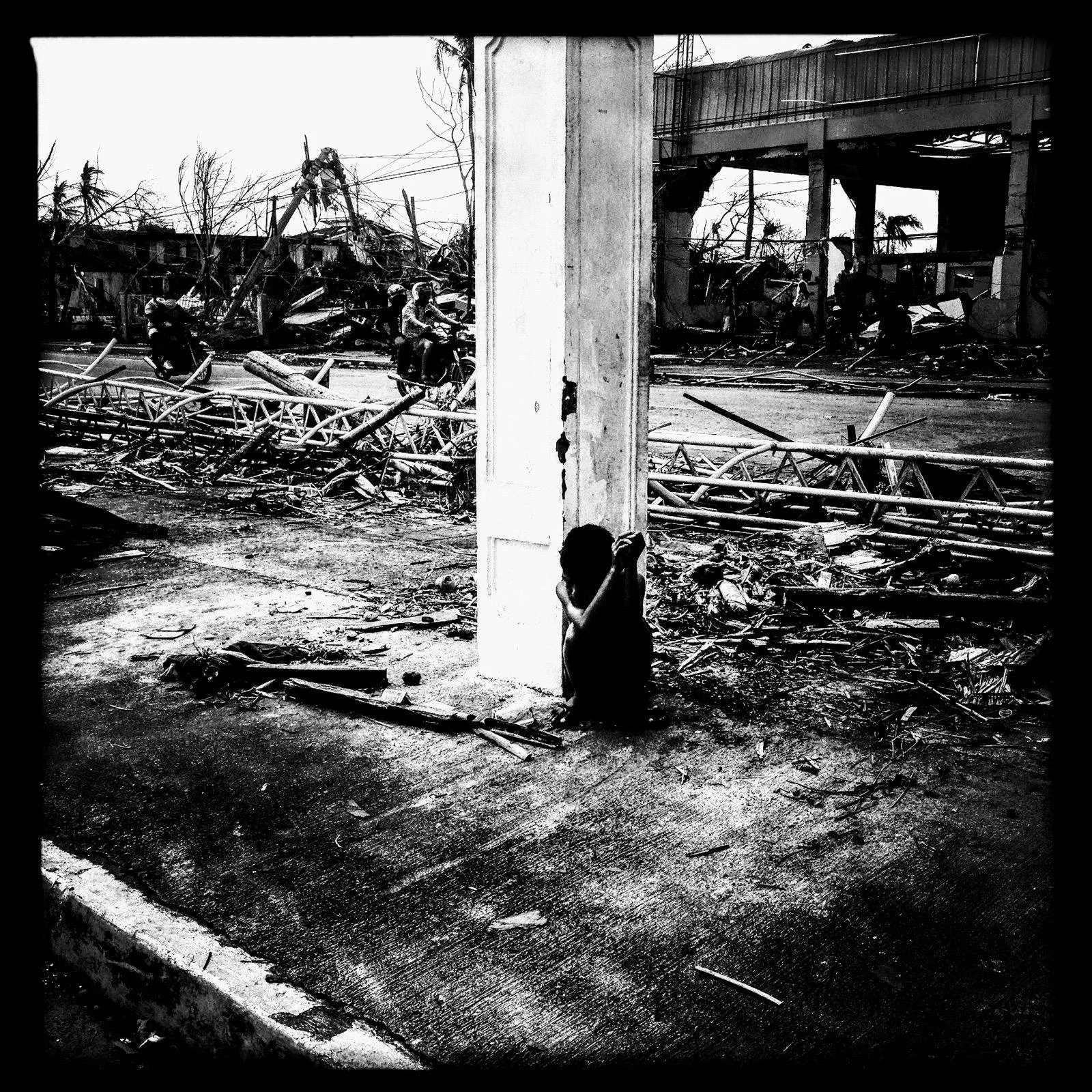
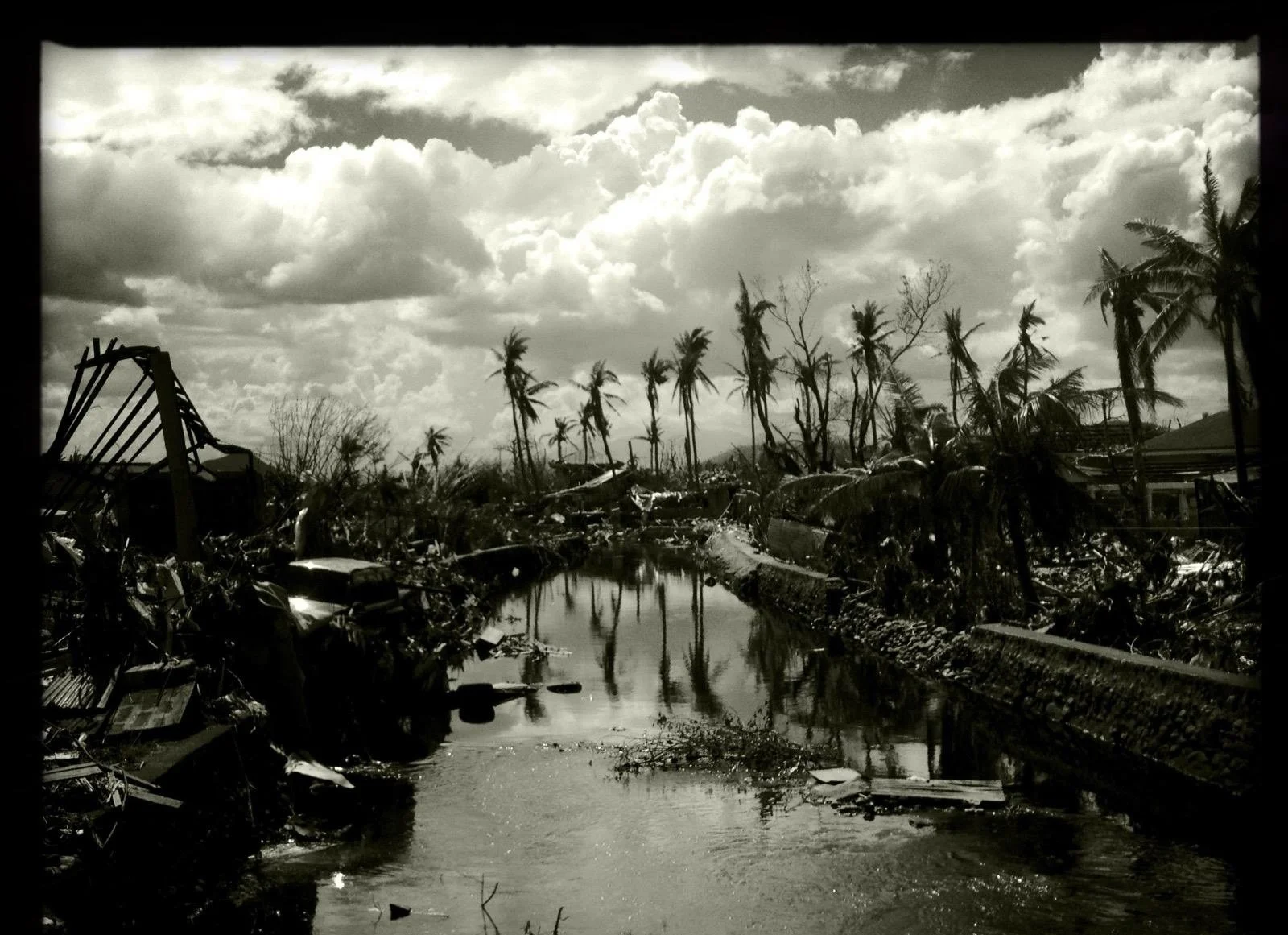
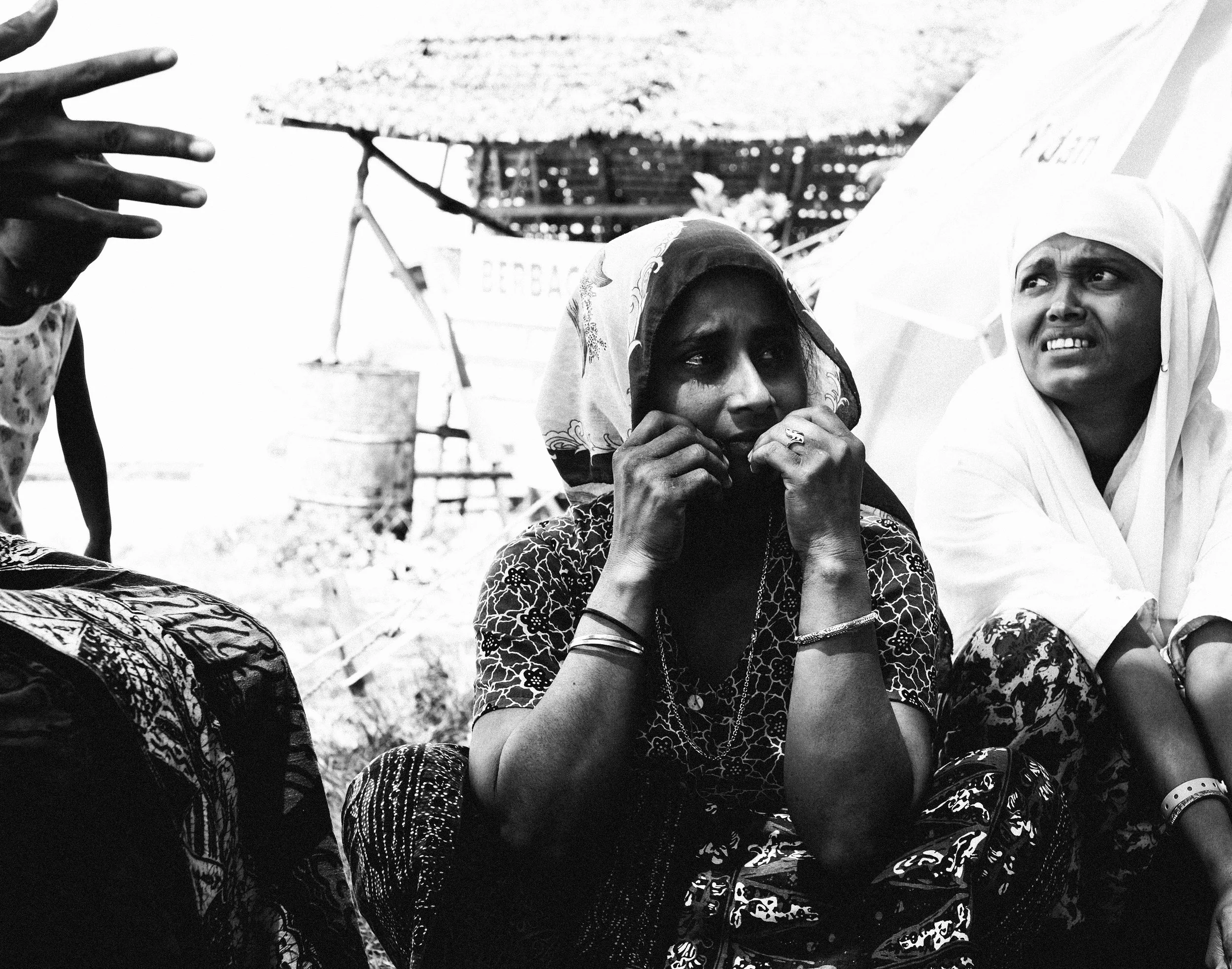
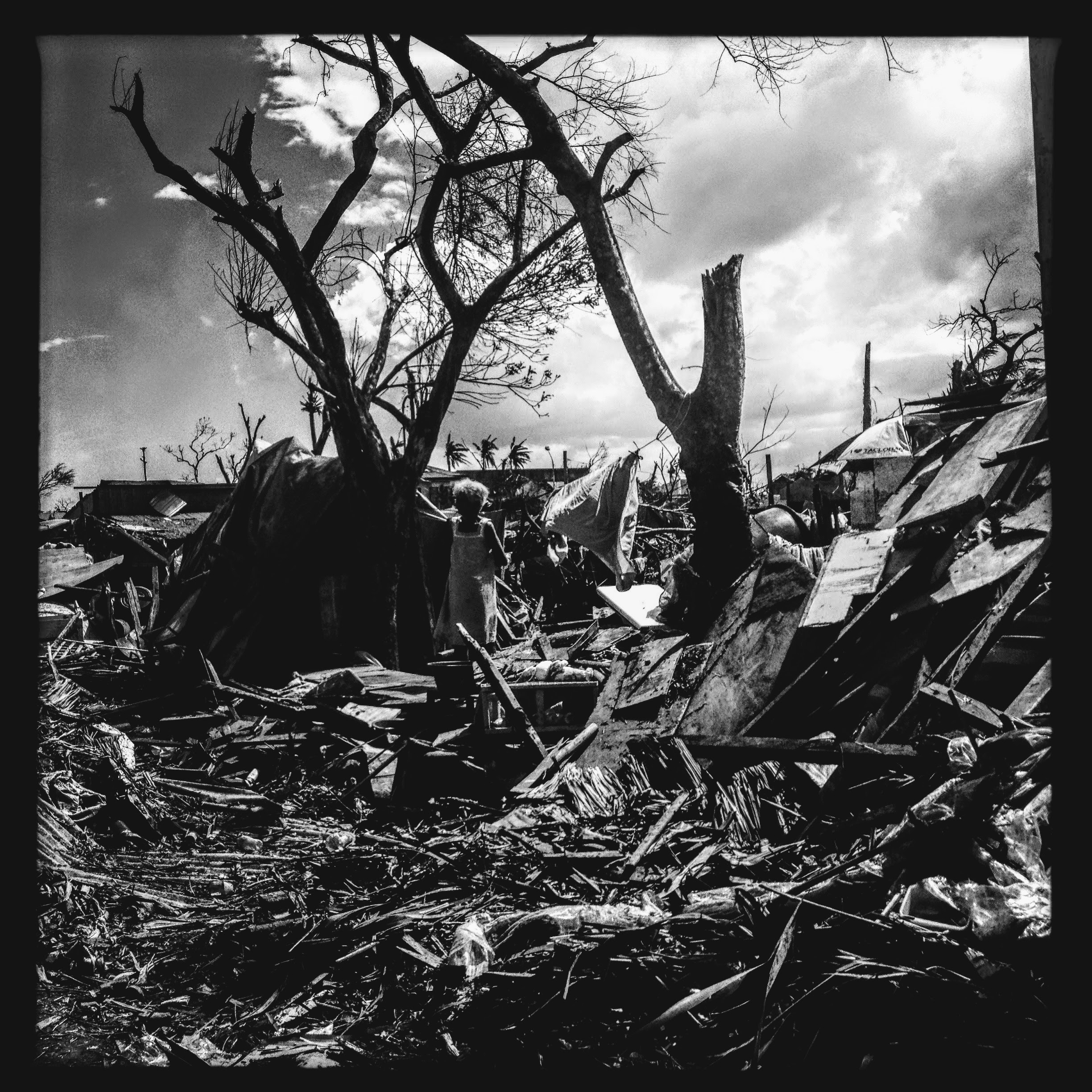
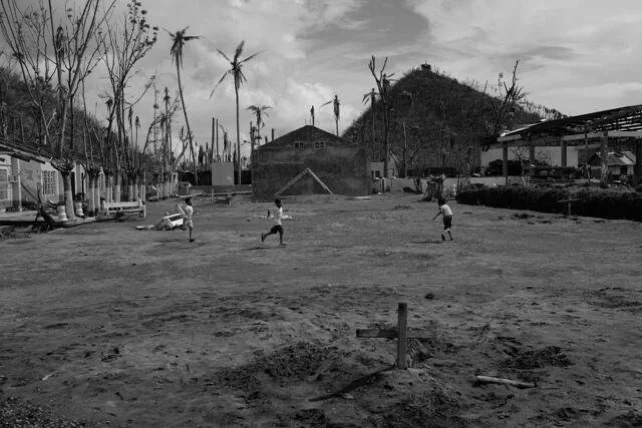
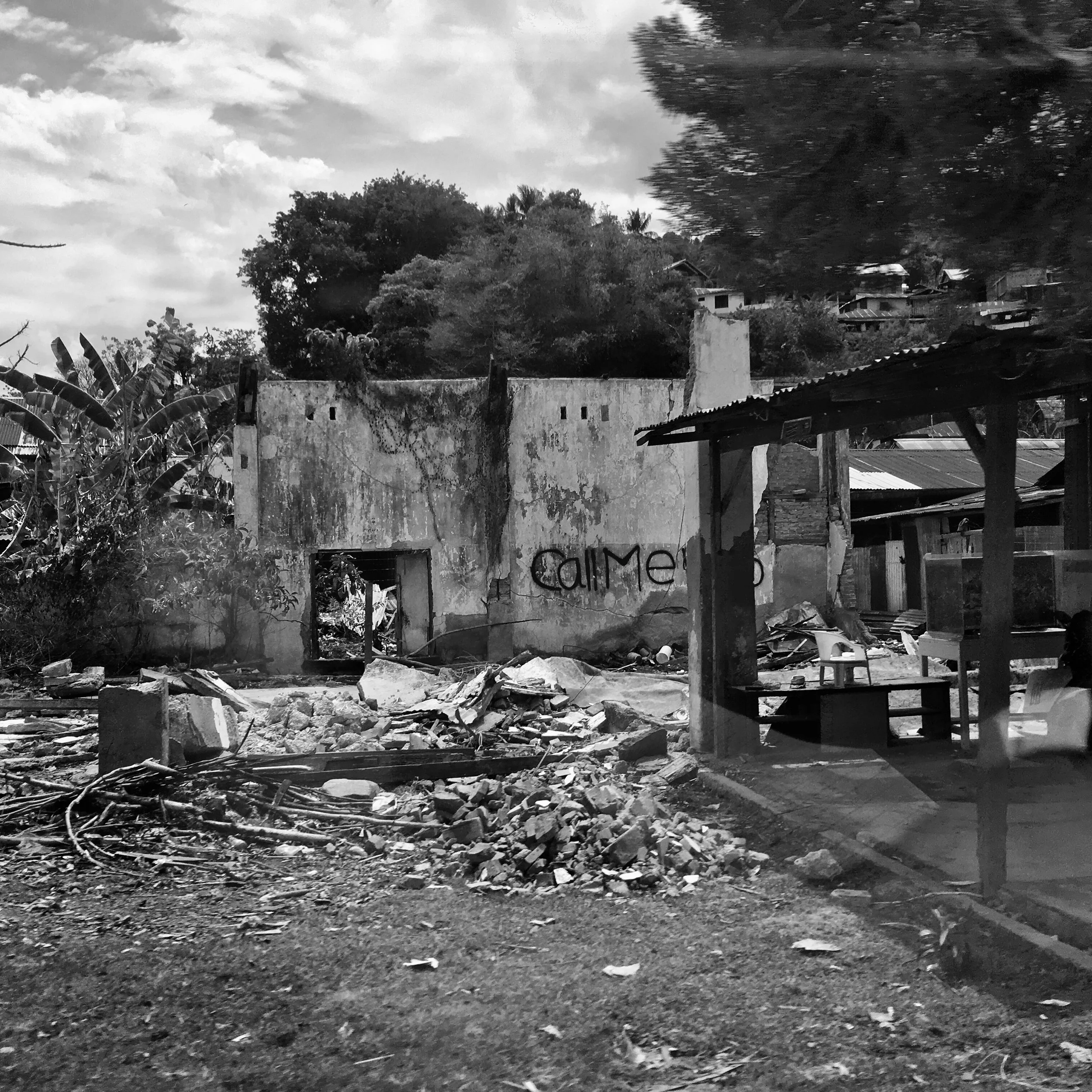
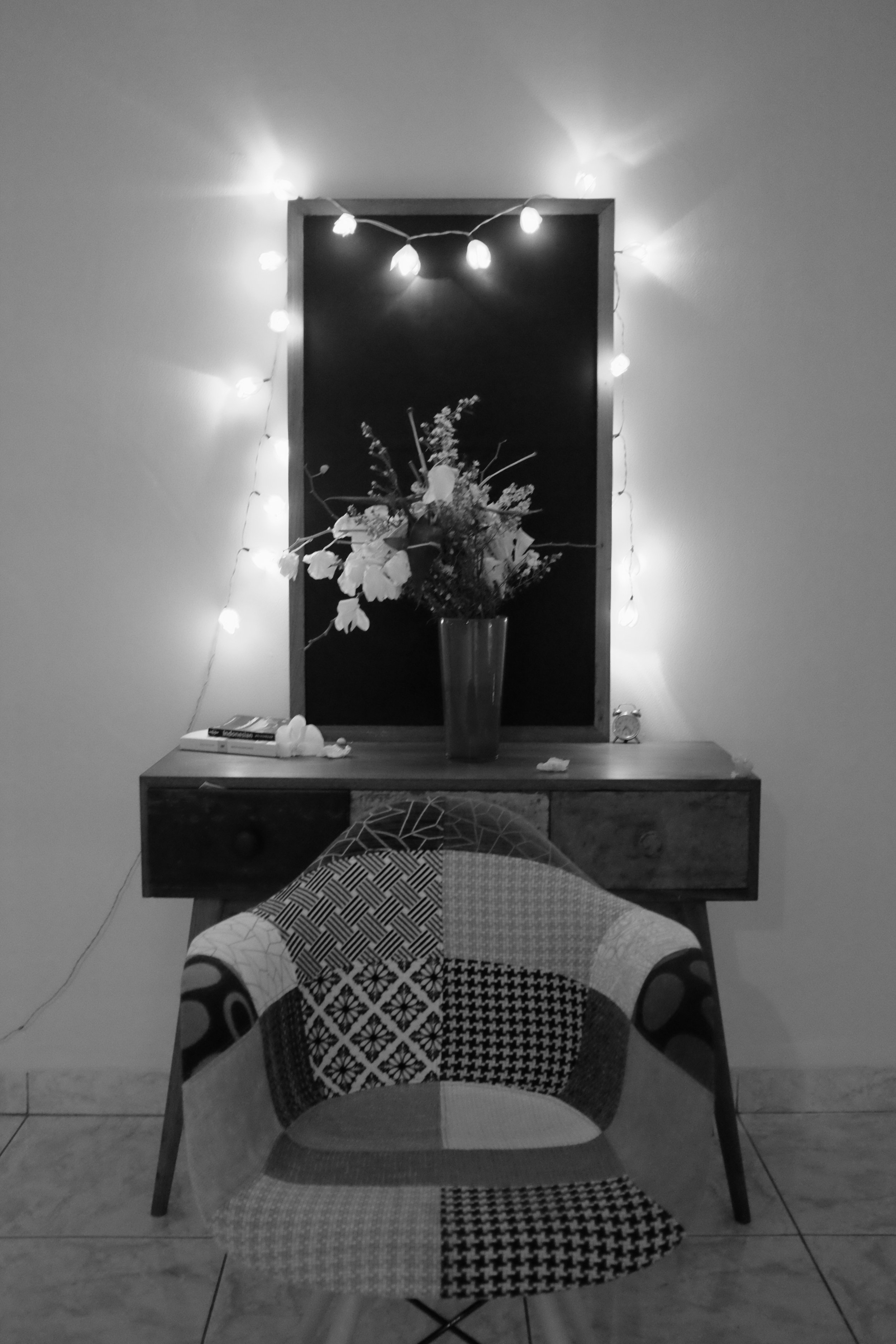
Dis/placement is an attempt to sit with contradiction — with the violence of being uprooted and the fierce, quotidian persistence of those who put down roots anyway, in mud, in tent camps, in the wreckage of what was. I am not interested in images that perform suffering for distant viewers. I am interested in images that demand relationship — that ask the viewer to remain present long enough to recognize what is being carried, and what refuses to be taken.
The slash in the title is intentional. These photographs live in that gap.